Restore Your Natural Volume with Specialized Female Hair Transplants in Ludhiana
Safely reverse diffuse thinning and widen parts with advanced, non-shaven hair restoration designed specifically for women.
What is Female Hair Transplant?
Tailored Restoration for Intricate Female Hair Patterns
Hair loss in women presents a unique clinical challenge.
Unlike male pattern baldness, which typically creates distinct bald spots, female hair loss usually manifests as diffuse thinning across the crown and a progressive widening of the center part line. Because the native hair remains present, restoring density requires an incredibly delicate touch.
A female hair transplant is a specialized micro-surgical procedure where permanent, healthy follicles are extracted from the dense donor area at the back of the scalp and strategically implanted between your existing hairs. Our elite team handles every graft with microscopic precision, protecting your native hair matrix while delivering seamless, lifelike density.


Identifying the Right Path to Restoration
Female hair restoration relies heavily on accurate diagnostics. You are an ideal candidate for this procedure if you experience:
Female Pattern Thinning
Visible, progressive thinning along the center part line or mid-scalp (Ludwig Scale Stages 1–3).
Traction Alopecia
Hair loss along the frontal hairline or temples caused by tight hairstyles or extensions.
Stable Donor Areas
Healthy, dense hair at the back and sides of the head to ensure high-vitality graft extraction.
Corrected Hormonal Triggers
Hair thinning that is stable and not caused by active, unmanaged thyroid issues or nutritional deficiencies.
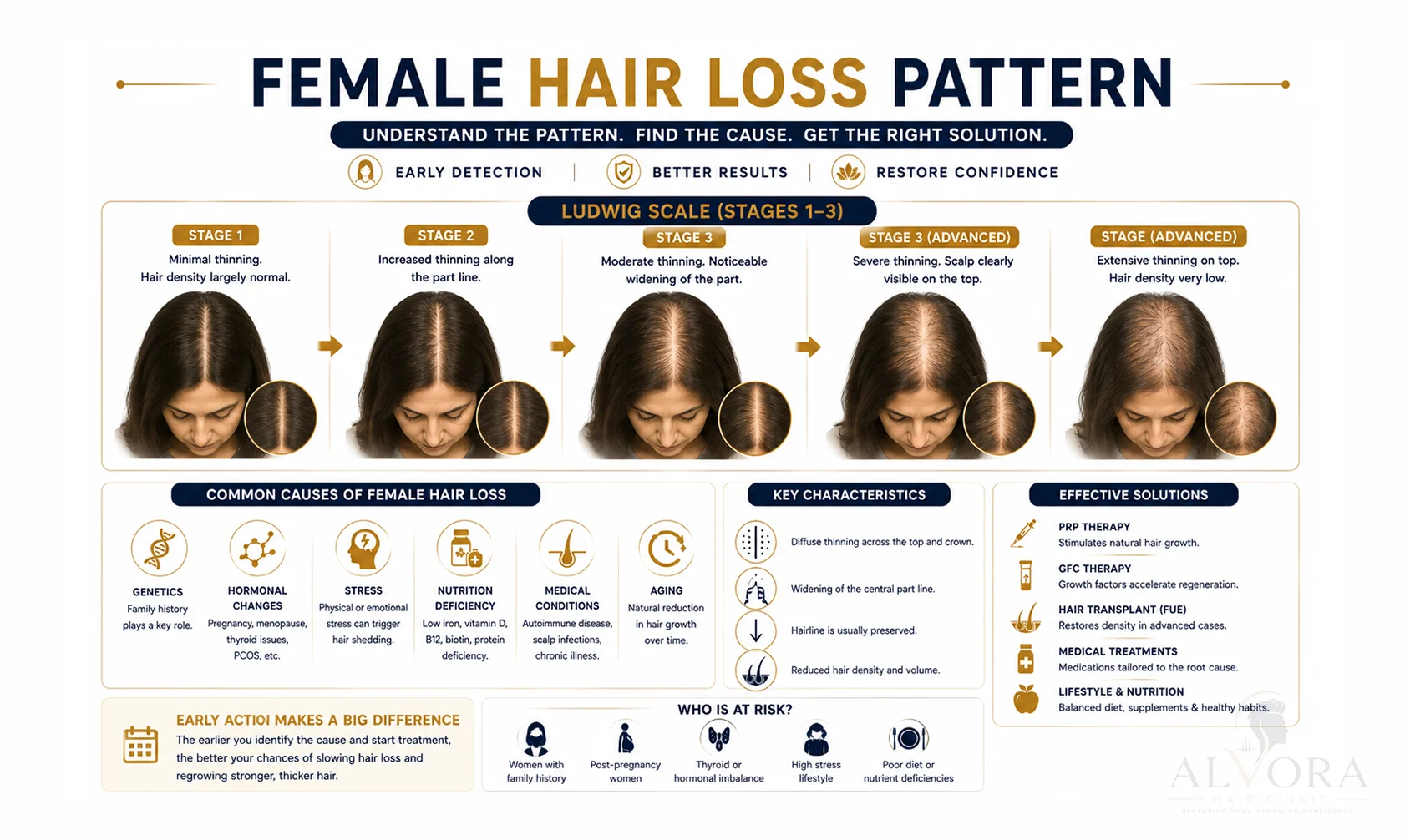
Understand the Pattern. Find the Cause. Get the Right Solution.
Mapping the Female Hair Loss Pattern
Female hair thinning follows a distinct path that requires a highly specialized diagnostic approach. Using the clinically recognized Ludwig Scale, our team evaluates the precise progression of your diffuse thinning to map out a targeted restoration plan. Identifying your stage early dramatically improves the success of non-surgical root preservation or strategic high-density FUE micro-grafting.
Core Triggers & Key Characteristics
Common Causes of Female Hair Loss
- Genetics: A family history of female pattern thinning plays a fundamental, key role.
- Hormonal Changes: Fluctuations related to pregnancy, menopause, thyroid imbalances, or PCOS.
- Stress & Nutrition: Severe physical or emotional stress triggering shedding, or nutritional deficiencies in iron, vitamin D, B12, biotin, and protein.
- Medical Conditions & Aging: Autoimmune conditions, chronic illnesses, scalp infections, or natural reductions in hair growth over time.
Key Characteristics of Female Hair Loss
- Diffuse thinning concentrated across the top and crown of the scalp.
- Progressive widening of the central part line.
- The frontal hairline is usually well-preserved and intact.
- An overall reduction in total hair density and volume.
Who is Most at Risk?
- Women with a strong family history of thinning.
- Post-pregnancy women or individuals navigating active thyroid and hormonal imbalances.
- Those managing a high-stress lifestyle or poor diet and nutrient deficiencies.
Effective Clinical Solutions
- PRP & GFC Therapy: Advanced cellular treatments that stimulate natural hair growth and accelerate follicle regeneration.
- Hair Transplant (FUE): Meticulous micro-grafting to permanently restore natural density in advanced thinning stages.
- Medical & Lifestyle Support: Tailored medical treatments focused on the root cause paired with balanced nutrition.
The Advantages of Choosing Alvora Precision
No Shaving Required
We utilize advanced non-shaven techniques, meaning your existing hairstyle remains completely intact.
Flawless Density Blending
Grafts are delicately angled and placed to perfectly match your natural hair exit direction.
Permanent Part-Line Correction
Successfully closes up wide, empty part lines so you can style your hair with total freedom.
Safe, Rapid Scalp Healing
Our micro-punch extraction protocols cause minimal tissue disruption, ensuring a fast, comfortable recovery.
Types of Female Hair Transplants
Follicular Unit Extraction (FUE) for Women
The ultimate standard in precision follicle relocation, engineered to protect long hair and maximize scalp health.

- Individual graft extraction using ultra-fine micro-punches.
- Leaves zero linear scarring, allowing for flexible styling options.
- Perfect for precision temple reconstruction and hairline lowering.
- Gently navigates around healthy, native hairs to prevent shock loss.
Quick Hair Transplant (QHT) Technique
An ultra-refined, swift-handling framework optimized to keep fragile female hair grafts outside the body for the shortest time possible.

- Drastically minimizes out-of-body time to keep grafts highly viable.
- Accelerates the root awakening phase for quicker post-op results.
- Protects delicate follicle tissue from mechanical handling stress.
- Promotes a exceptionally tight, comfortable, and clean healing window.
Step-by-Step Excellence
The Treatment Process for Women
Step 01Digital Density Mapping
We analyze your scalp under high magnification to map out areas requiring density reinforcement.
Step 02Localized Comfort
Micro-needles deliver localized numbing agents to ensure you stay completely comfortable throughout the session.
Step 03Discrete Micro-Extraction
Single and double hair follicles are carefully harvested from hidden donor layers at the back of the head.
Step 04Microscopic Sorting
The grafts are immediately classified and preserved in a chilled, nutrient-rich solution to keep them healthy.
Step 05High-Density Interplantation
Our specialists plant the new roots directly between your existing hairs, precisely controlling depth to safeguard native roots.
Preparing for Your Procedure Day
Maintain Hair Length
Do not cut or trim your hair before your session; keeping it long helps us easily conceal the donor area.
Pause Specific Supplements
Stop taking Vitamin E, fish oils, and herbal supplements 7 days prior to prevent increased bleeding.
Gentle Morning Wash
Wash your hair thoroughly with a mild shampoo on the morning of surgery, leaving it free from oils or serums.
Wear Button-Down Clothing
Wear a loose, button-up or zipped shirt so you do not have to pull clothing over your head after the procedure.
Results / Transformation Gallery
Real Women, Real Transformations
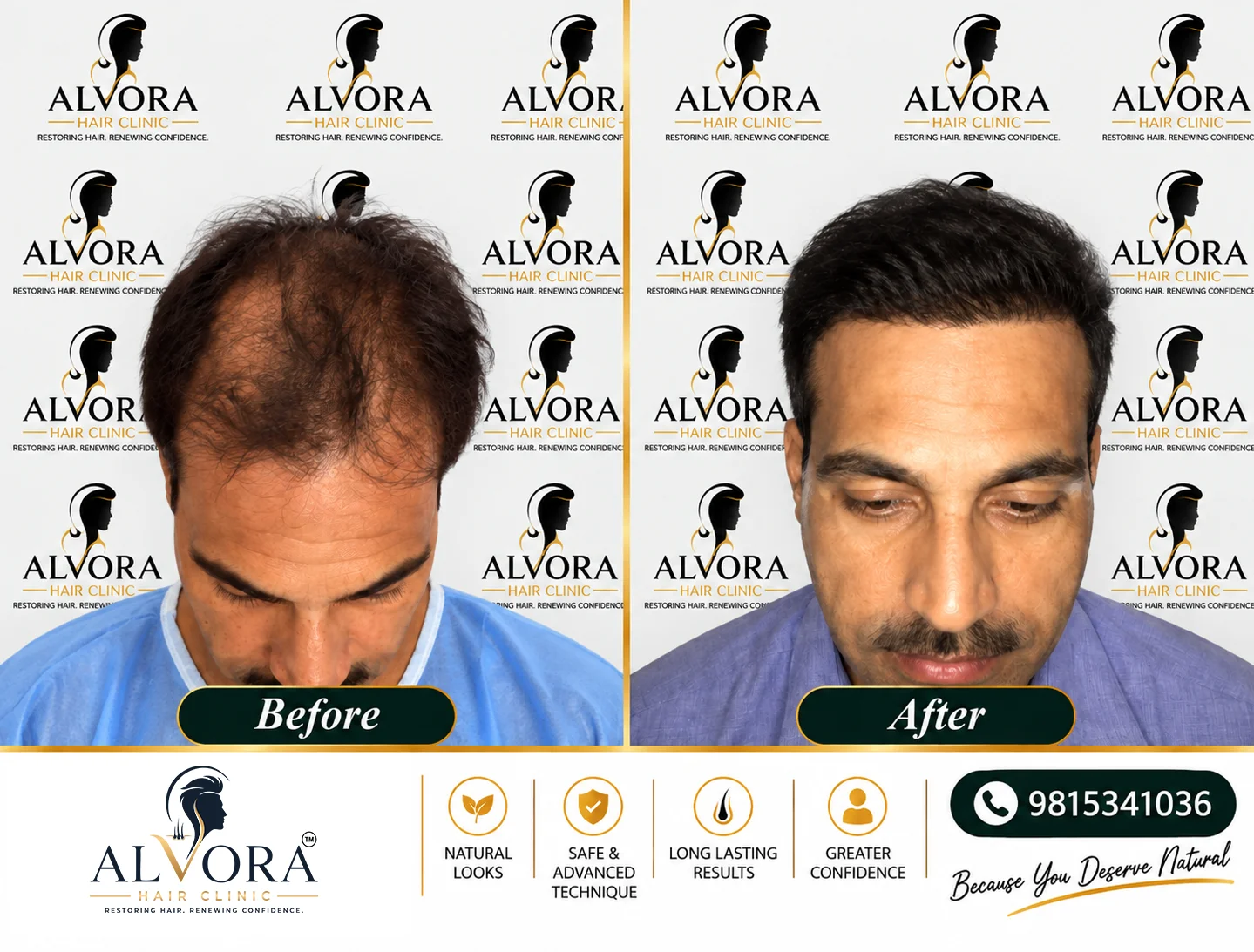
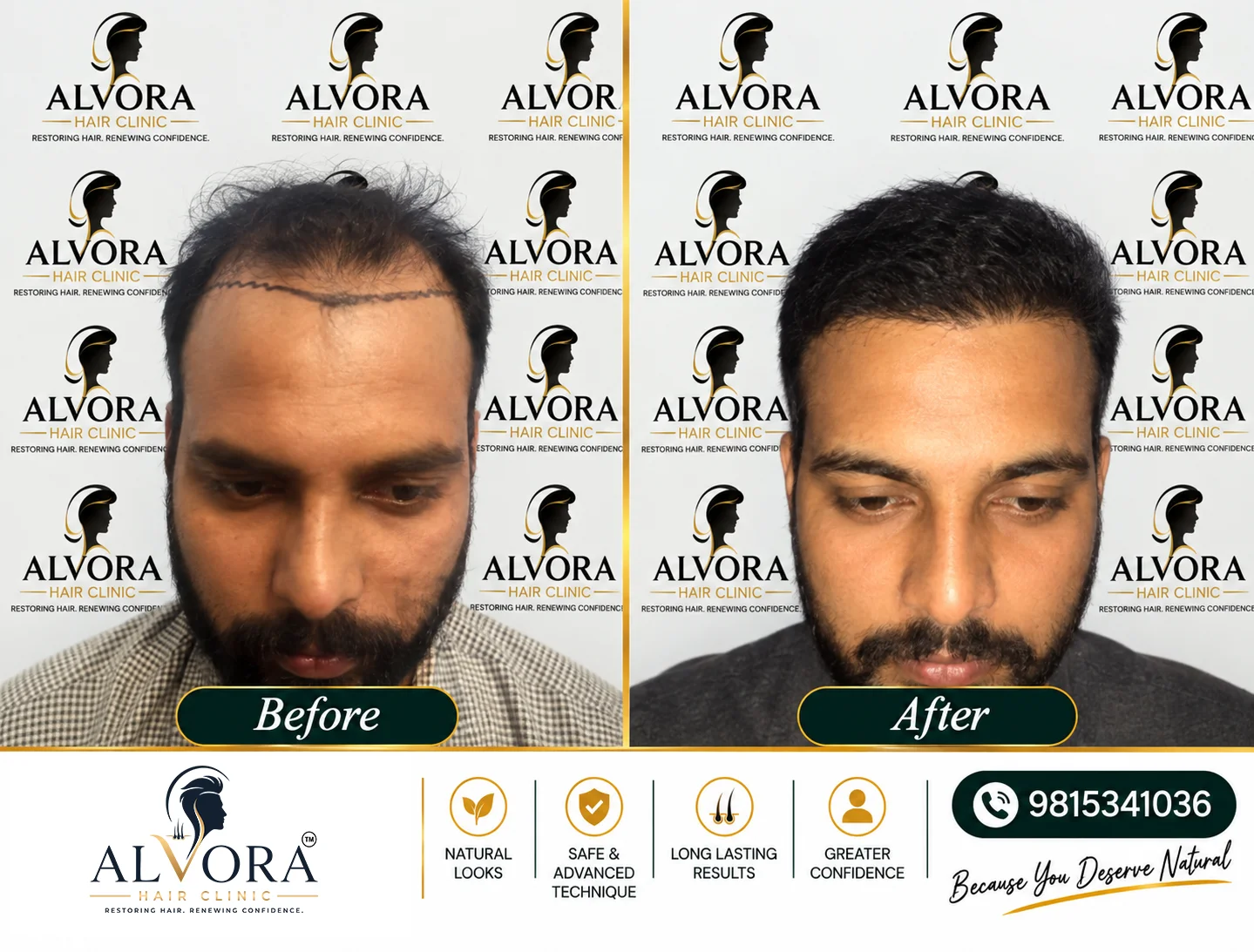
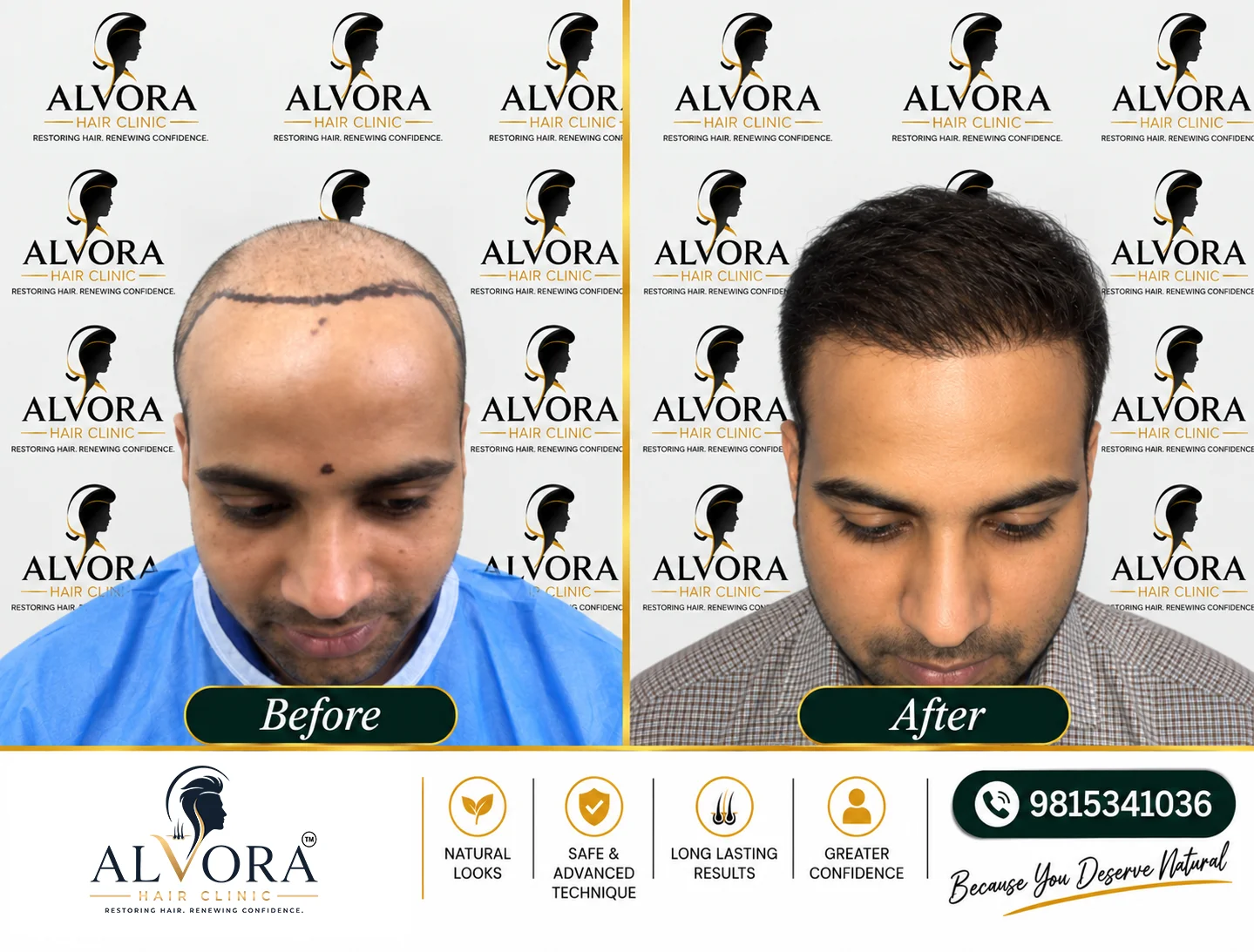
Explore our portfolio of untouched before-and-after imagery showing real, high-density part-line corrections and temple restorations.
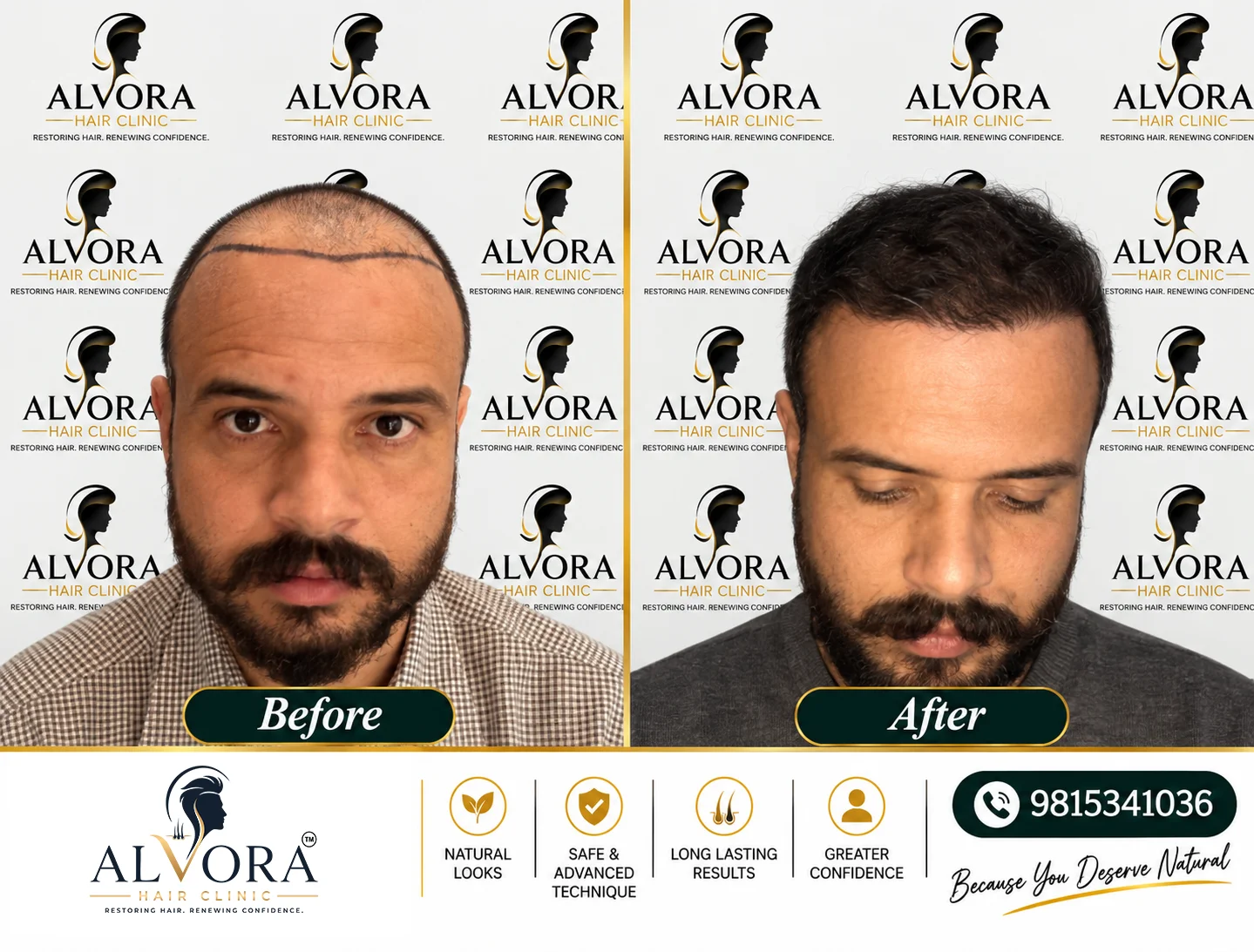
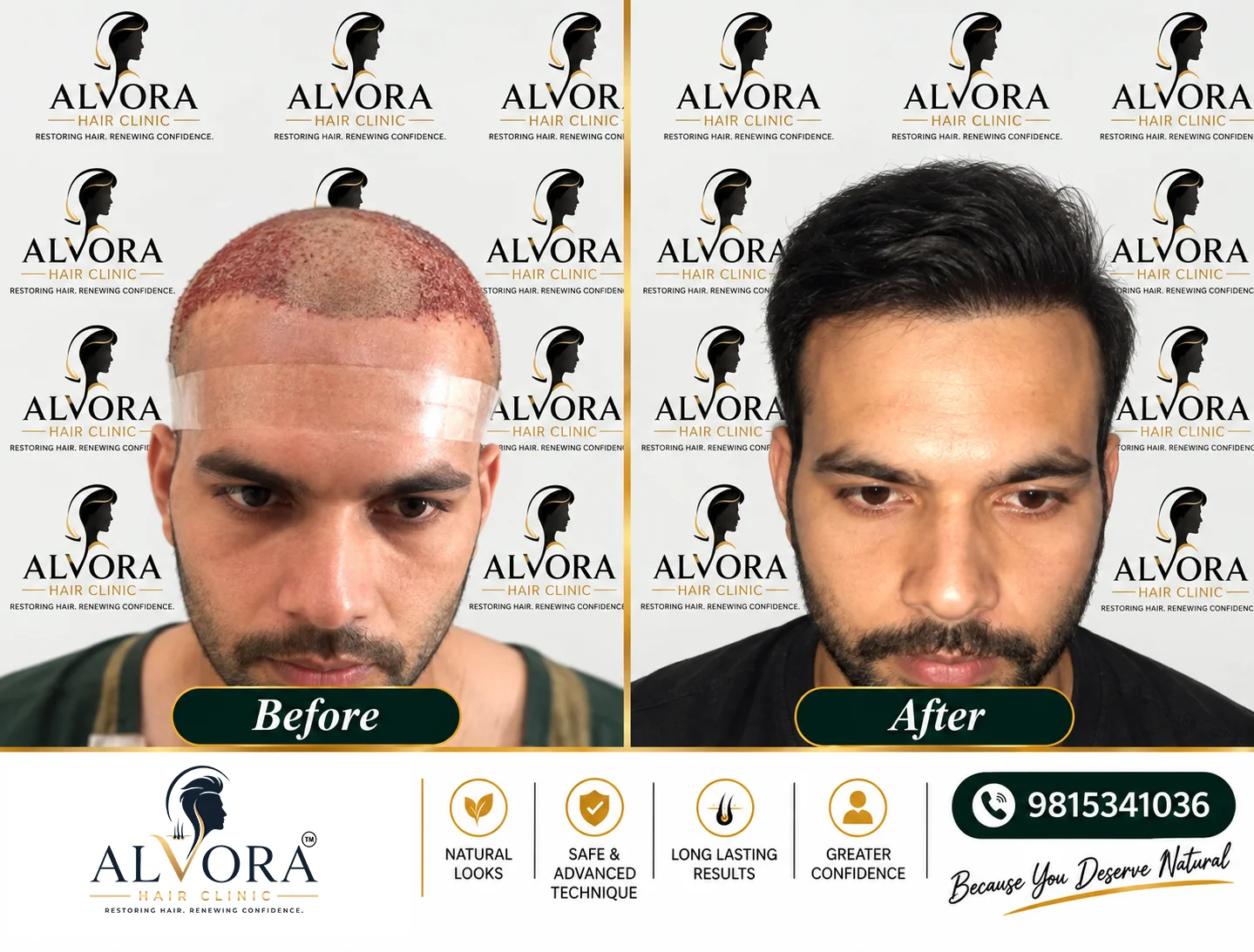
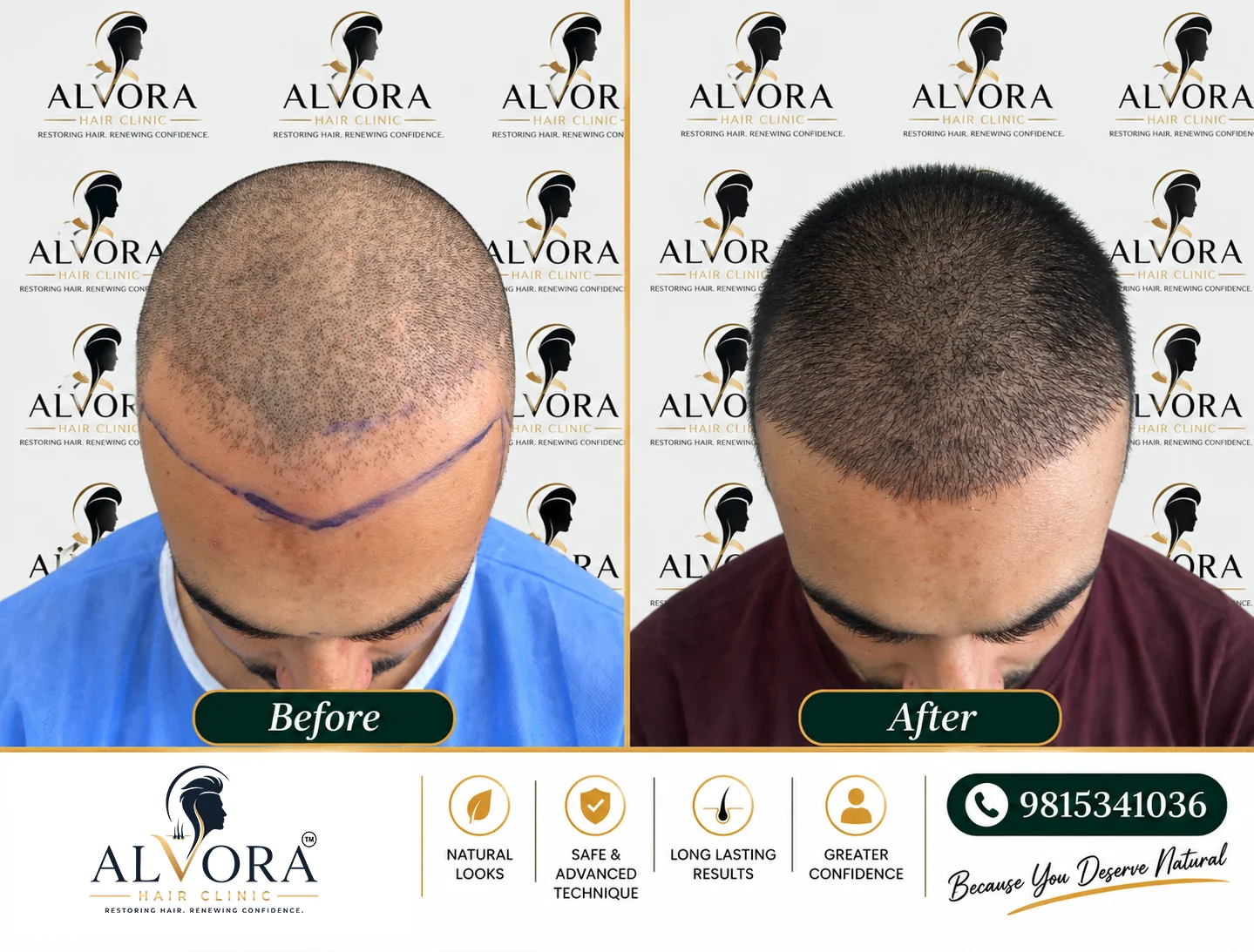
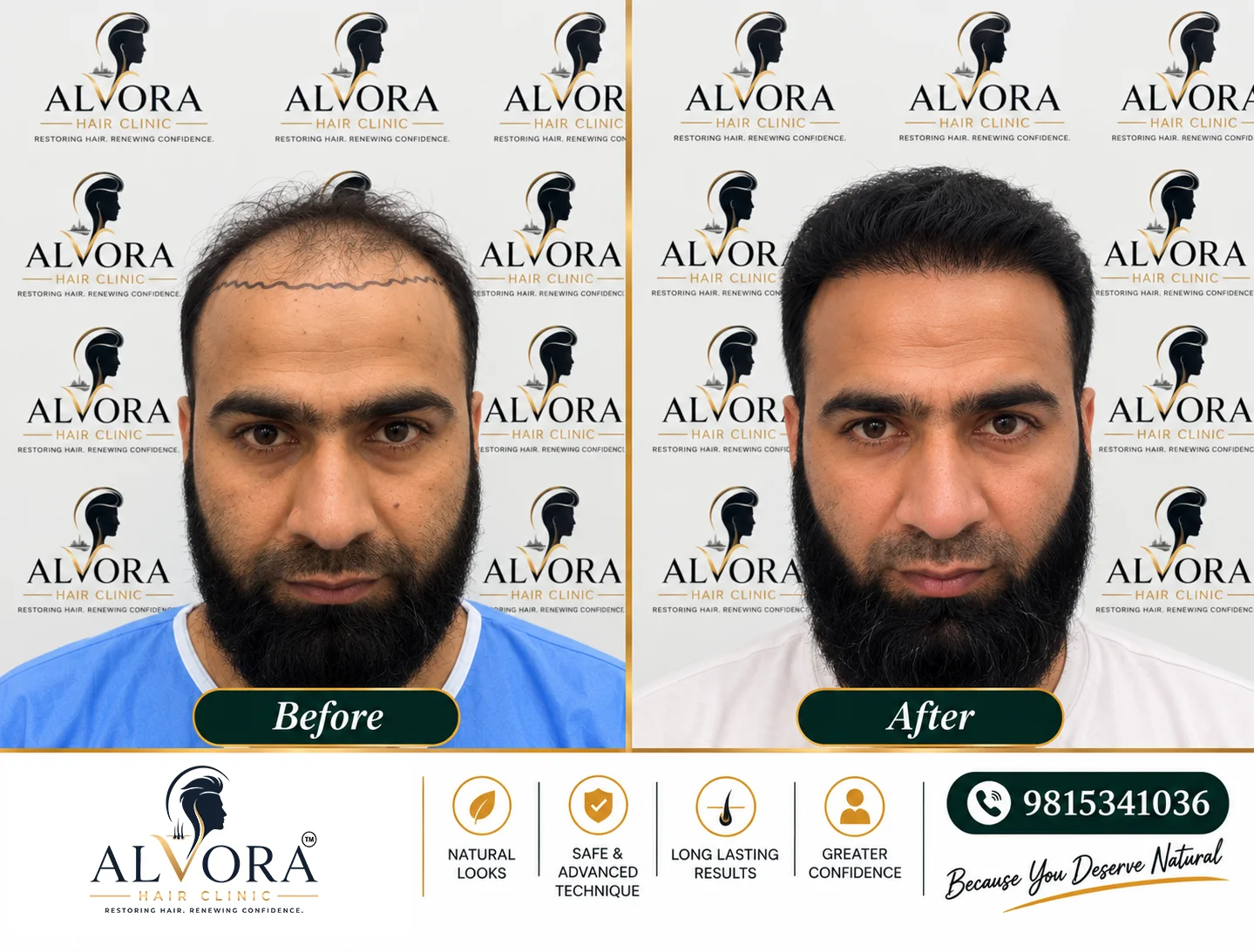
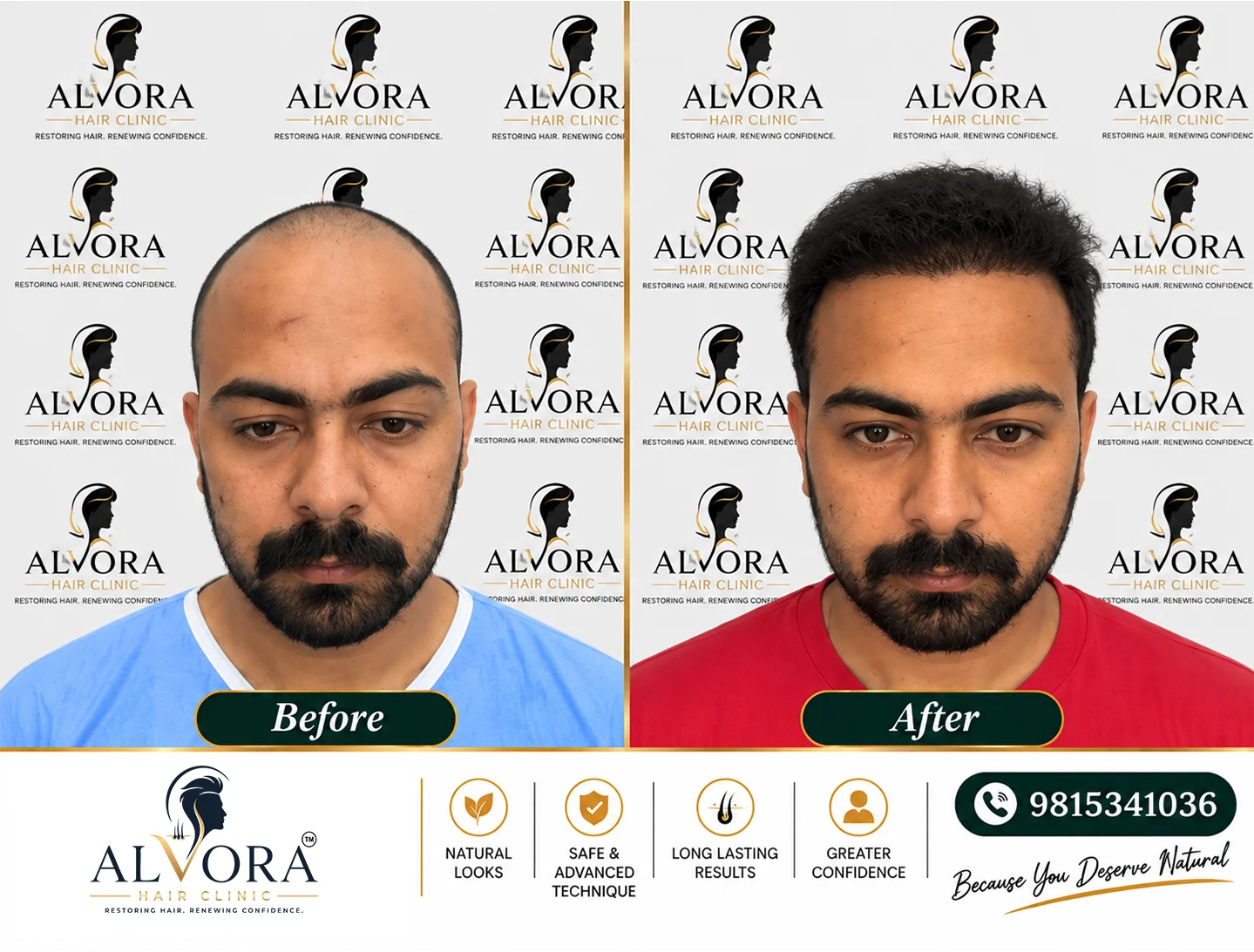
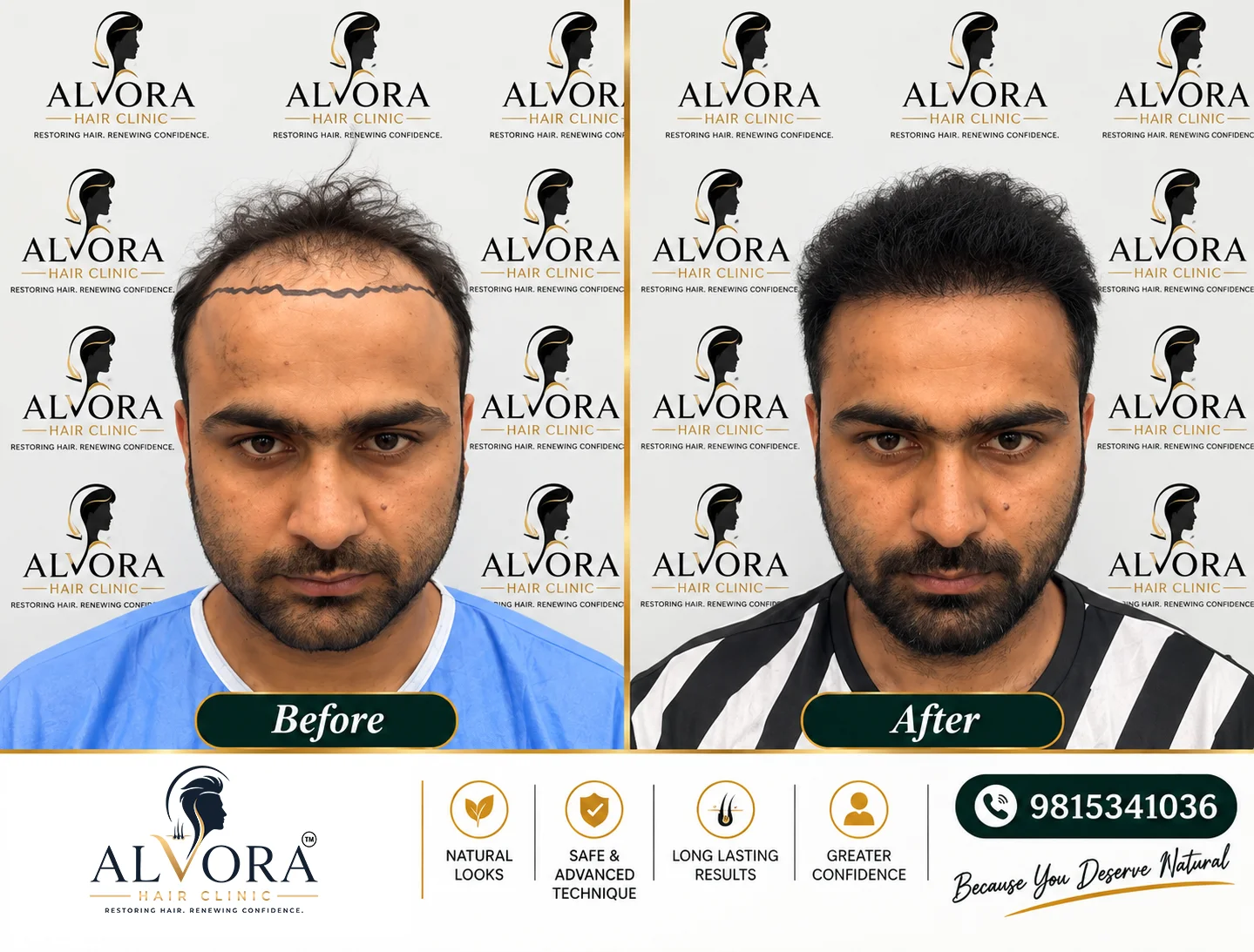
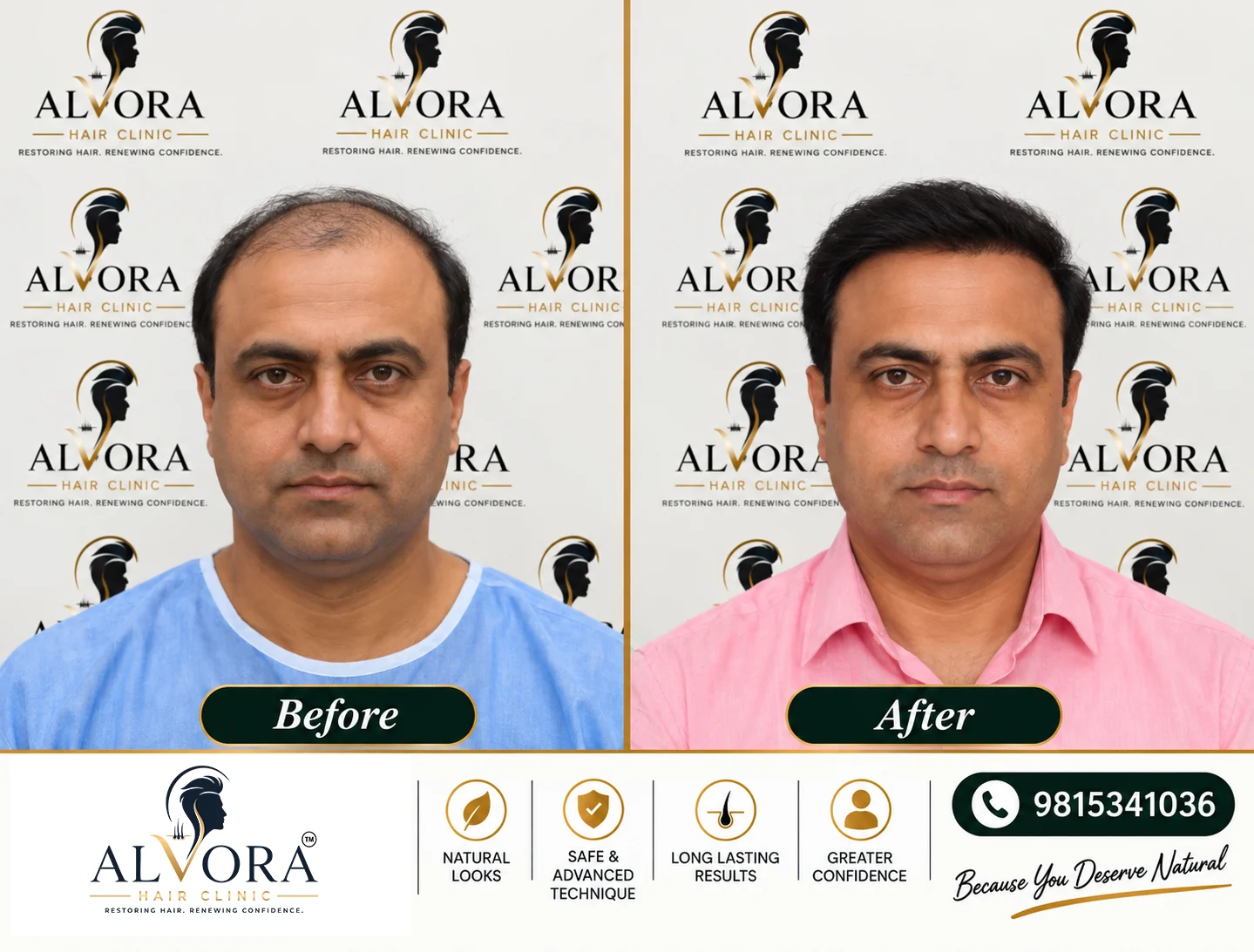
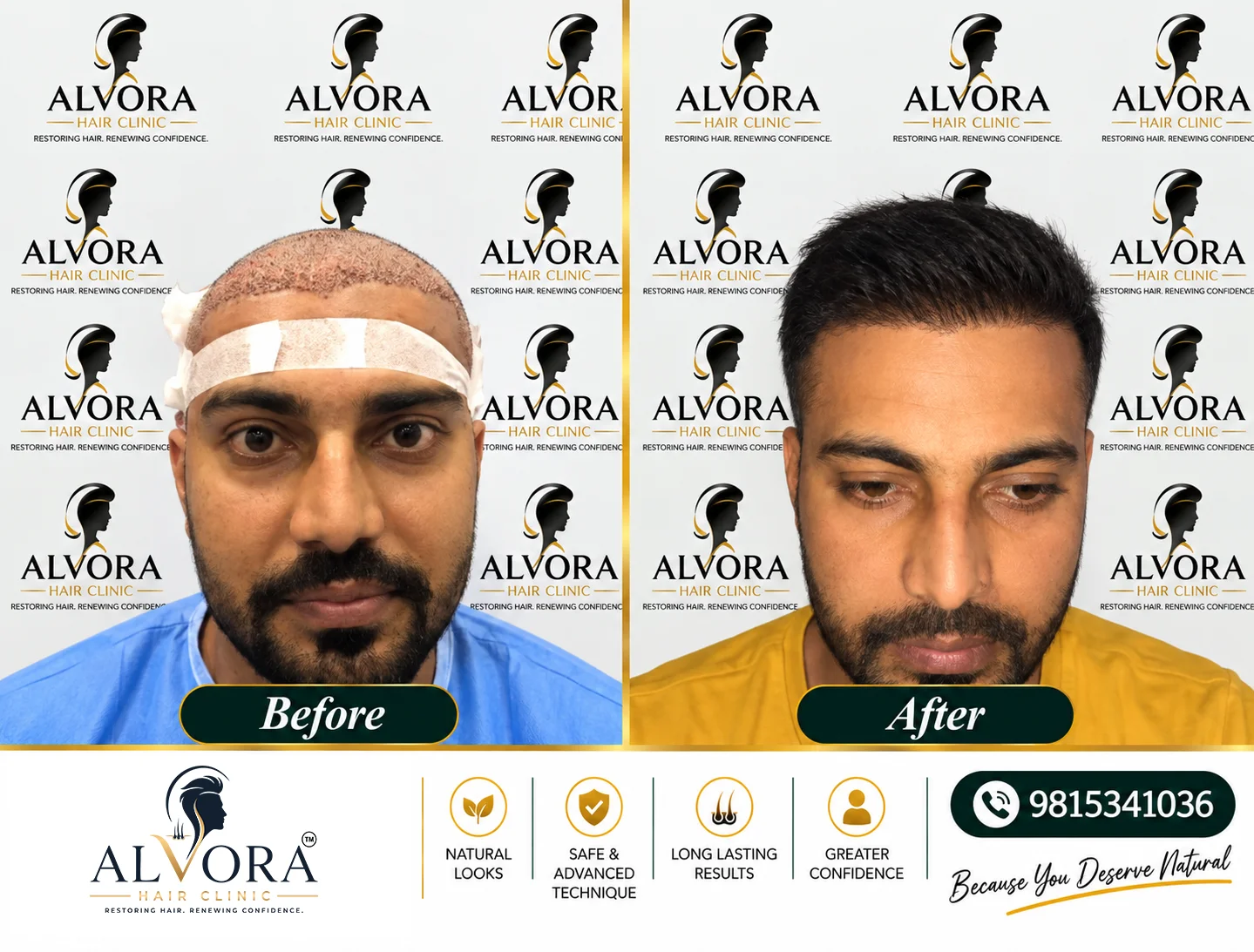
Will I have to shave my head for a female hair transplant?
No, absolutely not. We understand that shaving the head is a major concern for women. At Alvora Hair Clinic, we specialize in non-shaven techniques where we only trim small, discrete layers at the back of the head. Your remaining long hair falls completely over these areas, keeping the procedure entirely invisible.
How is female hair loss different from male pattern baldness?
Men typically lose hair in concentrated areas, like a receding hairline or a bald crown. Women tend to experience diffuse thinning, where hair thins out evenly across the entire top of the scalp while the frontal hairline stays intact. This requires a much higher level of precision to implant new grafts between existing hairs without damaging them.
How many grafts are usually required for women?
Because women generally treat diffuse thinning along the part line rather than completely bald areas, the graft counts vary. Minor temple filling or early part widening may require 1,500 to 2,000 grafts, while extensive mid-scalp thinning can require 2,500 to 3,500 grafts.
Is the procedure safe and painless?
Yes, it is completely safe. The procedure is performed under local anesthesia, which numbs the scalp entirely. You might feel a brief, mild pinching sensation during the initial numbing process, but you will feel absolutely no pain during the extraction or implantation stages.
When will I see the final results of the hair transplant?
The transplanted hairs will naturally shed within the first month—this is a normal, healthy resetting of the follicle cycle. New, permanent hair begins to sprout around the third month. Visible improvements in density appear by month 6, with full, rich volume maturing between 9 to 12 months.
Can a transplant fix hair loss caused by tight hairstyles (Traction Alopecia)?
Yes, absolutely. Traction alopecia caused by tight braids, ponytails, or hair extensions typically leaves permanent damage along the hairline and temples. A micro-FUE transplant is the perfect solution to rebuild these areas with natural, high-density follicles.
Will the transplanted hair thin out again in the future?
No. The hair follicles are harvested from the permanent donor zone at the lower back of your scalp. These roots are genetically programmed to resist thinning and shedding, meaning they will continue to grow naturally for the rest of your life.
Should I combine my transplant with GFC or PRP treatments?
While not mandatory, combining your transplant with advanced therapies like Growth Factor Concentrate (GFC) is highly beneficial. GFC delivers pure growth factors to the scalp, which speeds up healing, encourages the transplanted roots to grow faster, and strengthens your surrounding native hair.