Maximize Graft Survival with Advanced QHT Hair Transplants in Ludhiana
Next-generation rapid graft handling designed to minimize out-of-body time, protect root vitality, and deliver dense, lifetime results.
What is a QHT (Quick Hair Transplant)?
The Evolution of High-Vitality Follicle Relocation
In modern hair restoration, the single most critical factor for graft survival is the amount of time a hair follicle spends outside the body (out-of-body time).
Traditional hair transplant techniques can sometimes leave harvested roots exposed to ambient room conditions and physical handling for hours, leading to dehydration and reduced follicle strength.
QHT (Quick Hair Transplant) is an ultra-refined, high-speed procedural framework designed to eliminate these risks. By synchronizing simultaneous extraction, hydration preservation, and immediate micro-implantation, our elite surgical team drastically shortens the transition phase. The result is significantly higher graft survival rates, denser growth yield, and a tighter, more comfortable post-operative recovery window.


Is QHT the Right Protocol for You?
QHT is engineered for patients who demand maximum efficiency and density. You are an ideal candidate if you experience:
High-Density Requirements
Advanced hair loss requiring thousands of grafts placed with maximum survival efficiency.
Busy Professional Schedules
Patients needing a swift procedure day and an accelerated post-op recovery timeline.
Sensitive Scalps
Individuals who heal better with minimal mechanical tissue manipulation and shorter session durations.
Desire for Premium Graft Care
Anyone wanting the highest possible follicle survival rate for their investment.
Faster Procedure. Natural Results.
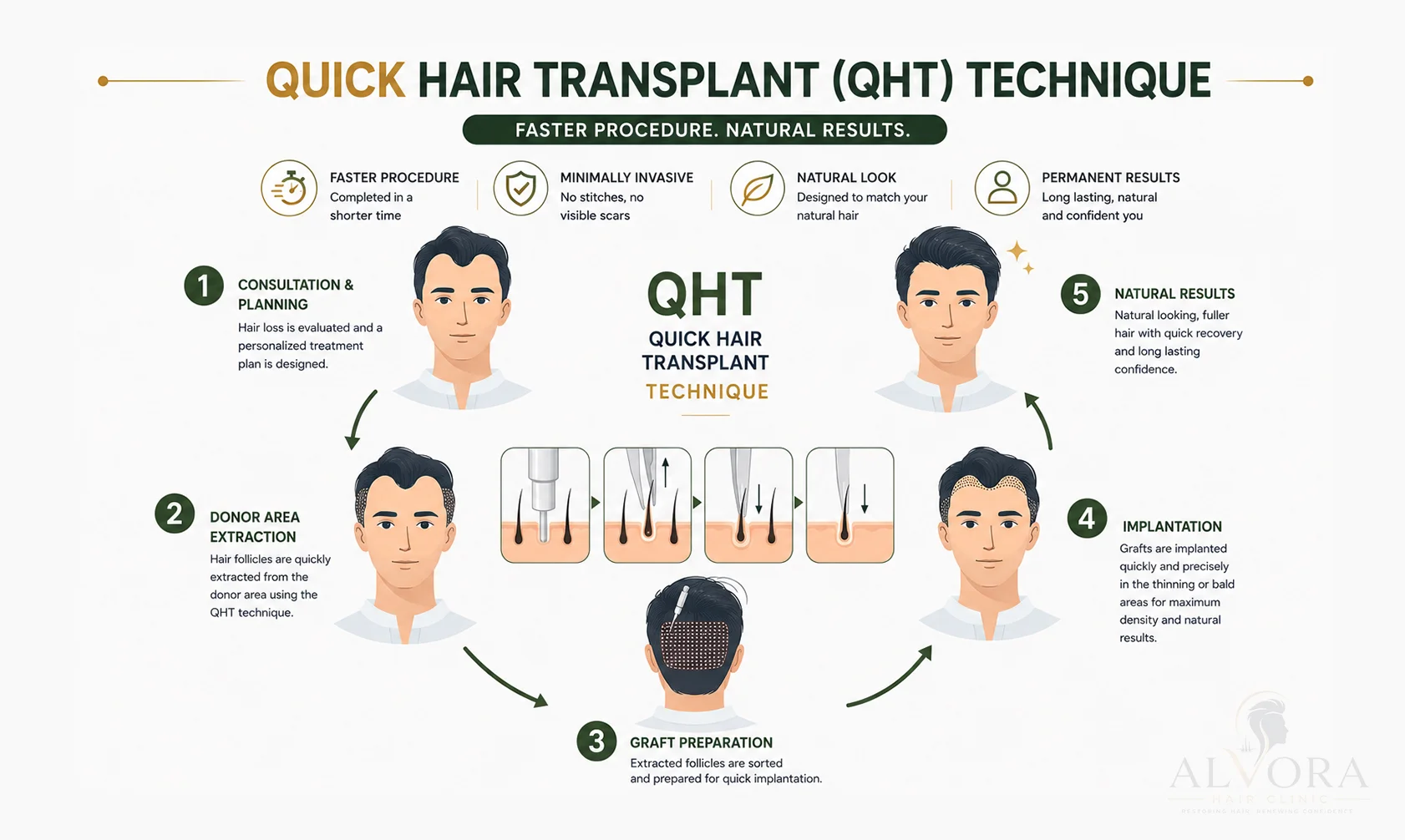
The 5-Step Quick Hair Transplant (QHT) Process
The core philosophy of QHT centers on rapid transition and precision execution. By continuously synchronizing follicle extraction, microscopic sorting, and immediate high-density implantation, our medical team protects graft viability while minimizing your time in the procedure chair.
Core Triggers & Restoration Solutions
Primary Triggers Requiring QHT Protocol
- Extended Out-of-Body Stress: Standard procedures can leave grafts exposed to room temperatures for hours, causing dehydration and lowering overall survival yields.
- Sensitive Scalp Tissue: Patients prone to prolonged swelling or redness benefit from a streamlined procedure that reduces physical scalp exposure time.
- Time-Constraint Demands: Busy professionals who need a fast, efficient procedure day with minimal operational downtime.
- Advanced Hair Loss Stages: Cases requiring large graft volumes where maintaining graft vitality during a multi-hour session is critical.
Target Areas We Restore
- Receding frontal hairlines and temple recession
- Thinning mid-scalp and widening part lines
- Crown baldness and crown swirl patterns
- Dense packing across large bald zones
Clinical Solutions That Work
- Synchronized QHT Micro-Grafting: Rapid-transition FUE protocols delivering maximum graft survival (up to 98%+).
- Chilled Nutrient Preservation: Storing harvested roots in temperature-regulated holding baths to maintain cellular energy.
- Rapid Post-Op Healing: Minimal tissue trauma that accelerates scalp recovery and shortens scab shedding time to 7–10 days.
Core Clinical Benchmarks
- Faster Procedure: Completed in a significantly shorter timeframe due to synchronized team workflows.
- Minimally Invasive: Executed with ultra-fine micro-punches—no stitches, no linear scars, and minimal scalp trauma.
- Natural Look: Meticulously designed to match the angle, flow, and direction of your native hair.
- Permanent Results: Relocated from DHT-resistant donor zones for long-lasting, natural-looking confidence.
Why Choose Our Advanced QHT Framework?
Peak Follicle Survival
Rapid transition protocols keep roots hydrated and chilled, preserving up to 98%+ graft vitality.
Shorter Procedure Hours
Synchronized team workflows complete large graft sessions in significantly less time.
Accelerated Healing Window
Micro-incisions combined with low tissue exposure mean scabs dry up and clear faster.
Lifelong Natural Growth
Permanent, DHT-resistant donor roots take hold quicker and mature into dense, natural hair.
Standard FUE vs. Advanced QHT Protocol
Standard FUE Procedure
Traditional graft-by-graft harvesting where extraction and implantation occur in long, sequential blocks.
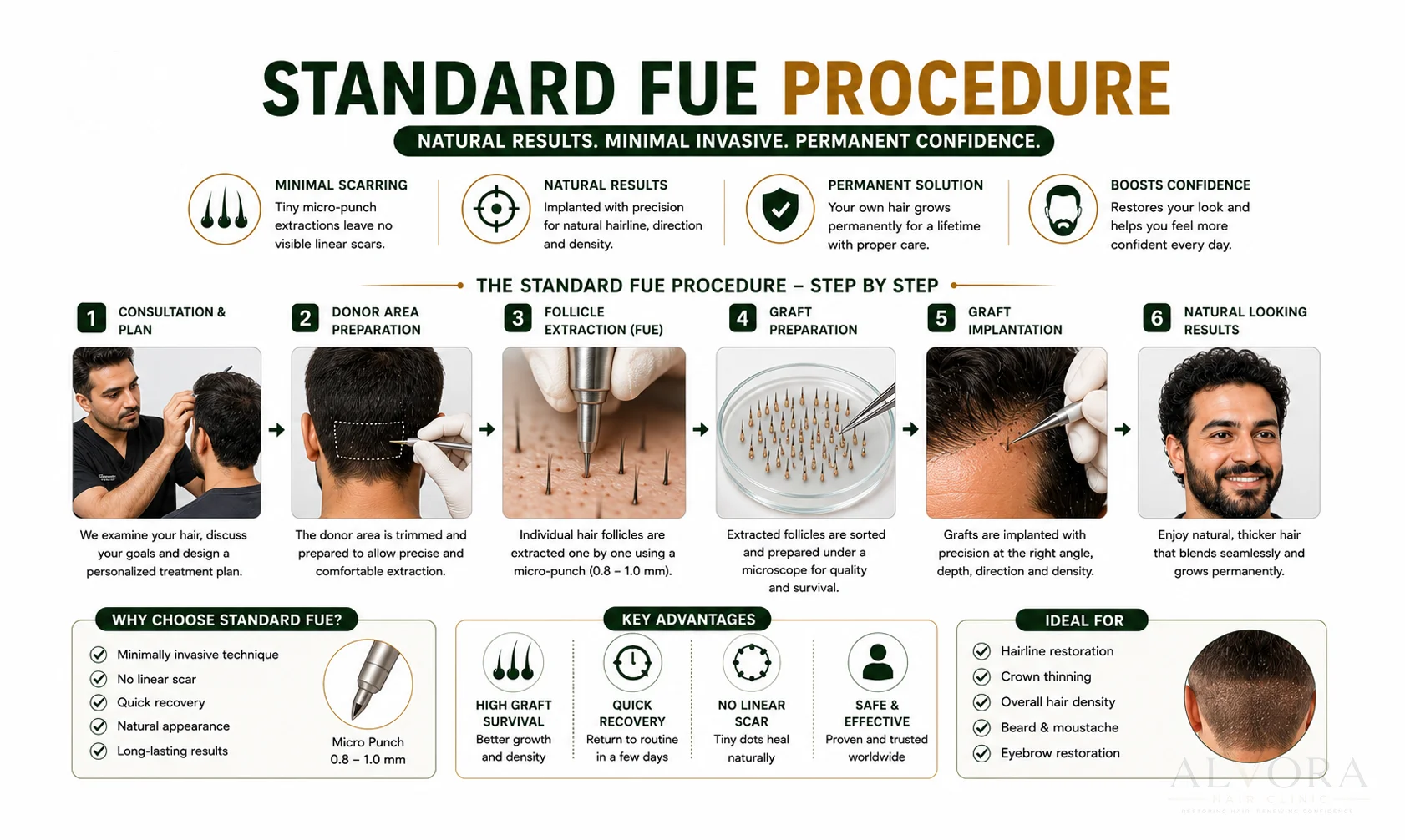
- Harvested grafts stay in holding solutions for longer periods.
- Sequential process increases total procedural time.
- Higher risk of graft dehydration or ambient stress.
- Standard recovery and scab shedding timeline (10 to 14 days).
Alvora QHT Workflow
A synchronized, high-efficiency protocol focused on continuous graft transition and temperature control.
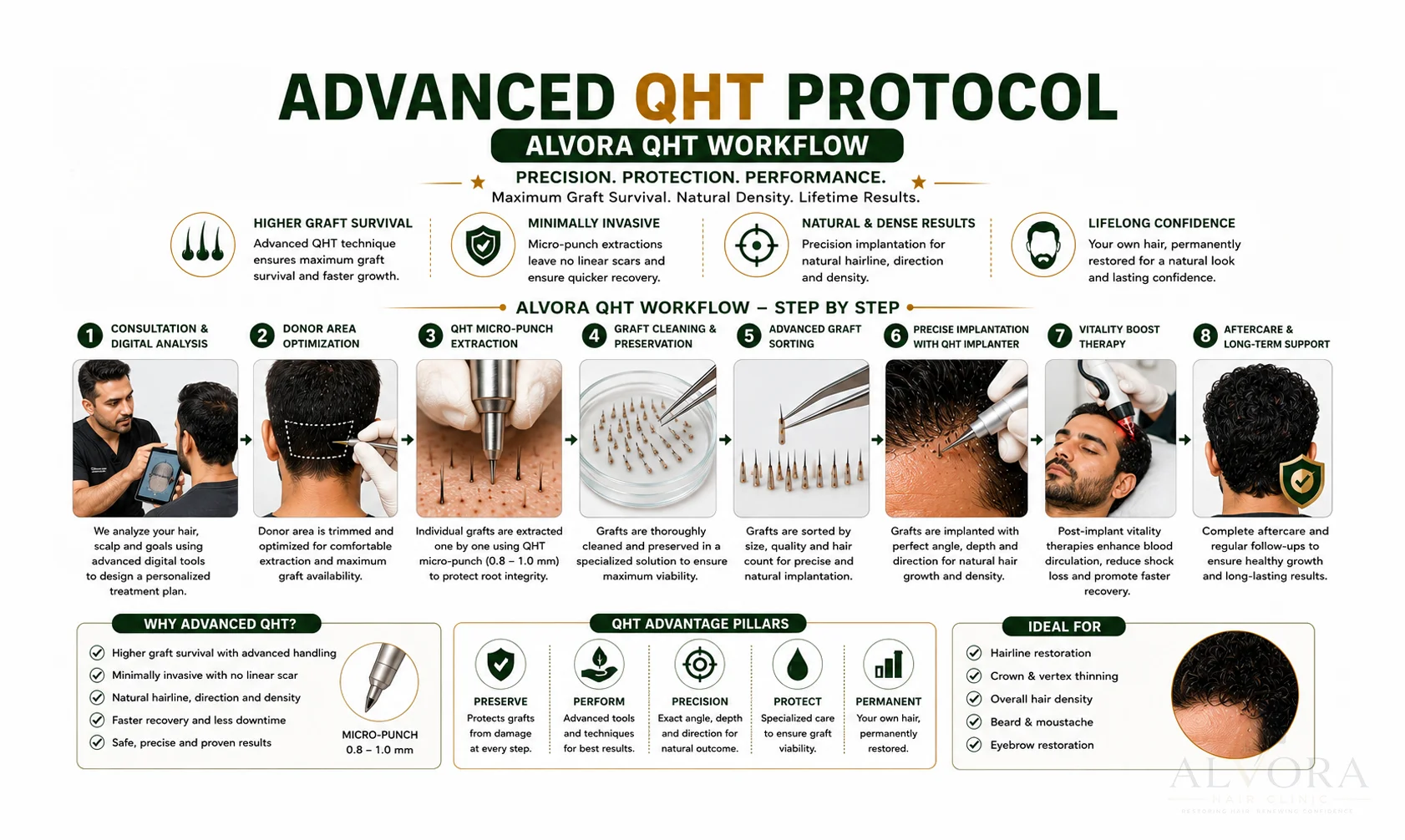
- Drastically reduces out-of-body graft time to absolute minimums.
- Simultaneous extraction, chilling, and high-density implantation.
- Chilled nutrient baths preserve cellular energy inside the root.
- Faster skin healing and earlier post-operative root awakening.
Step-by-Step Excellence: The QHT Process
The QHT Treatment Journey
Step 01Rapid Scalp Mapping
Precise digital scalp evaluation and custom hairline design tailored to your face.
Step 02Targeted Comfort
Fast-acting local anesthesia ensures complete comfort without prolonged scalp swelling.
Step 03Micro-Extraction & Chilled Storage
Grafts are harvested using high-speed micro-punches and placed immediately into chilled, nutrient-rich solutions.
Step 04Streamlined Implantation
Implantation begins almost immediately, placing fresh grafts into pre-calculated high-density sites.
Step 05Rapid Post-Op Recovery
Minimal tissue trauma allows you to walk out comfortably with clear, easy post-care guidelines.
Preparing for Your QHT Appointment
Pause Blood Thinners
Avoid aspirin, ibuprofen, and specific vitamin supplements 7 days prior to procedure day.
Avoid Alcohol and Nicotine
Stop alcohol and smoking for at least 72 hours before surgery to ensure optimal blood circulation.
Morning Scalp Prep
Wash your hair with a mild shampoo on the morning of surgery; leave it free of hair gels, oils, or sprays.
Wear Loose Clothing
Wear a loose, button-up or zipped shirt to avoid touching fresh grafts when dressing post-procedure.
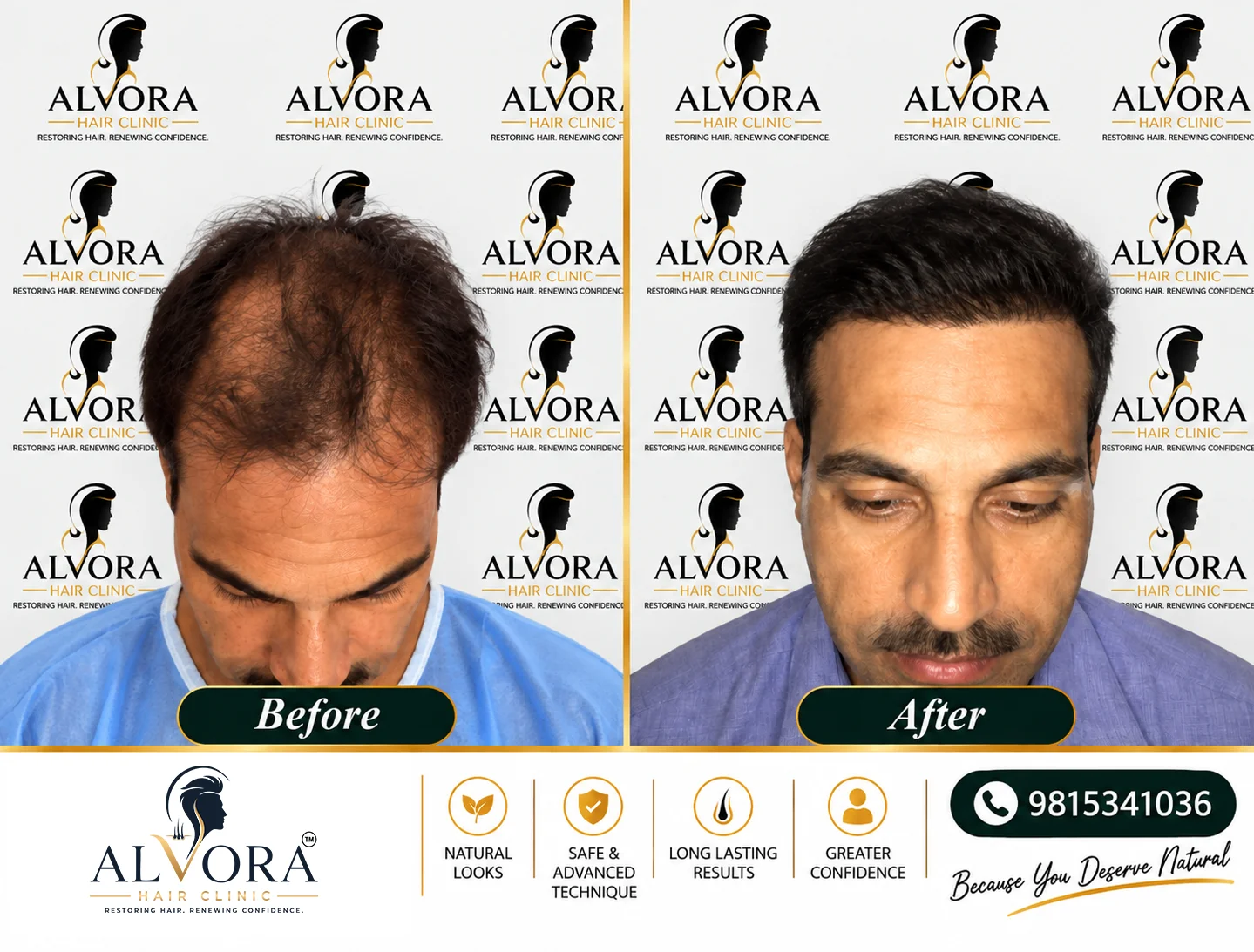
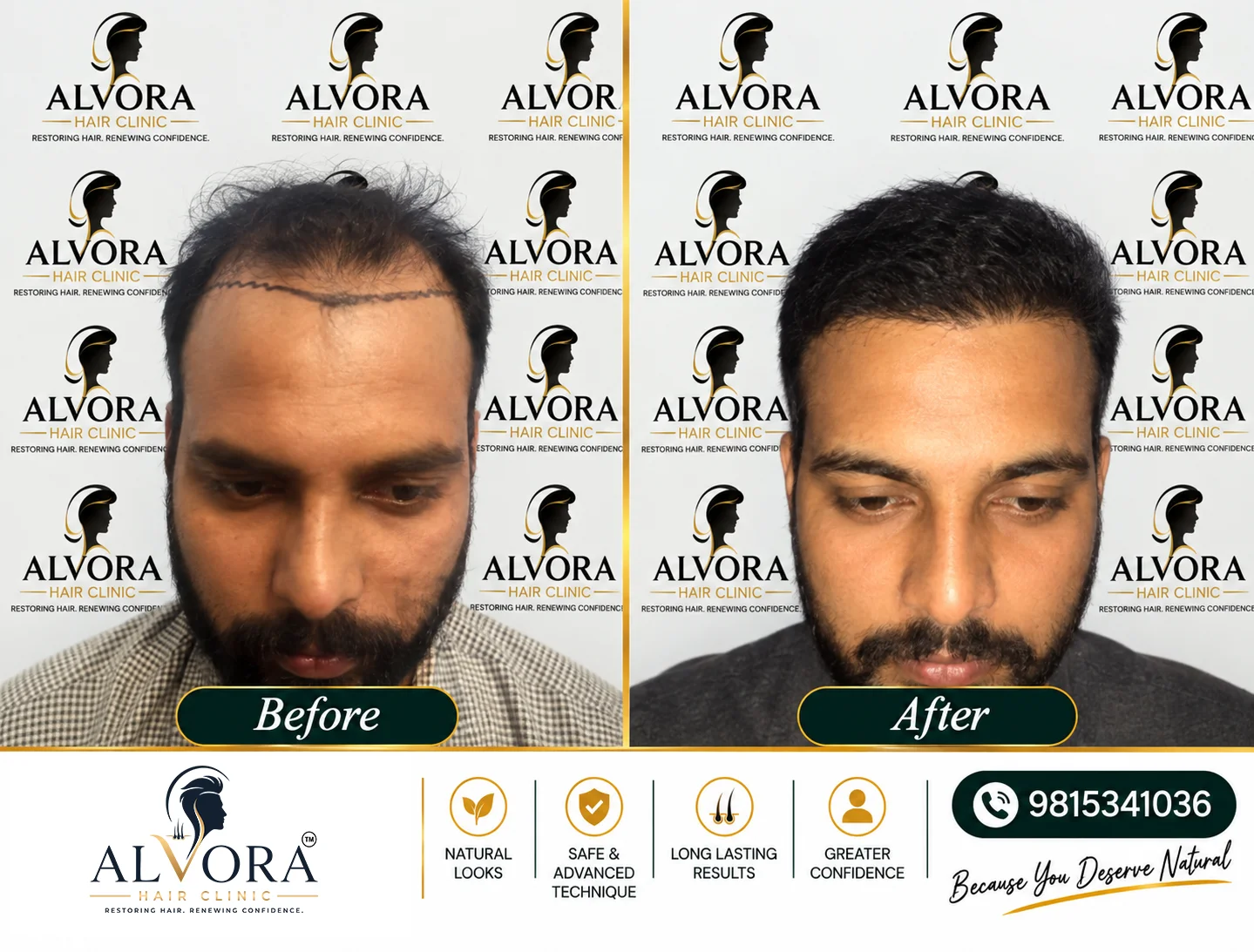
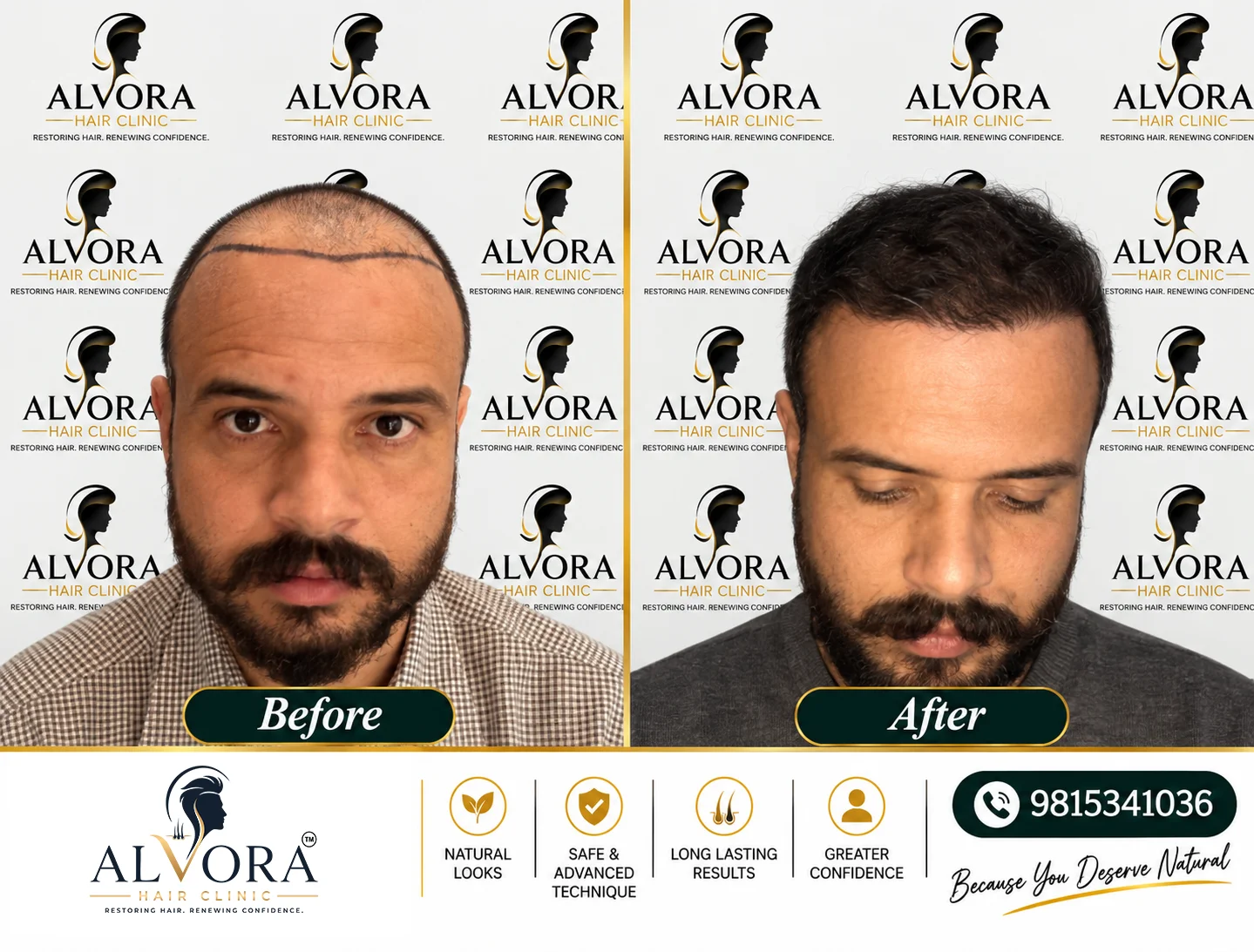
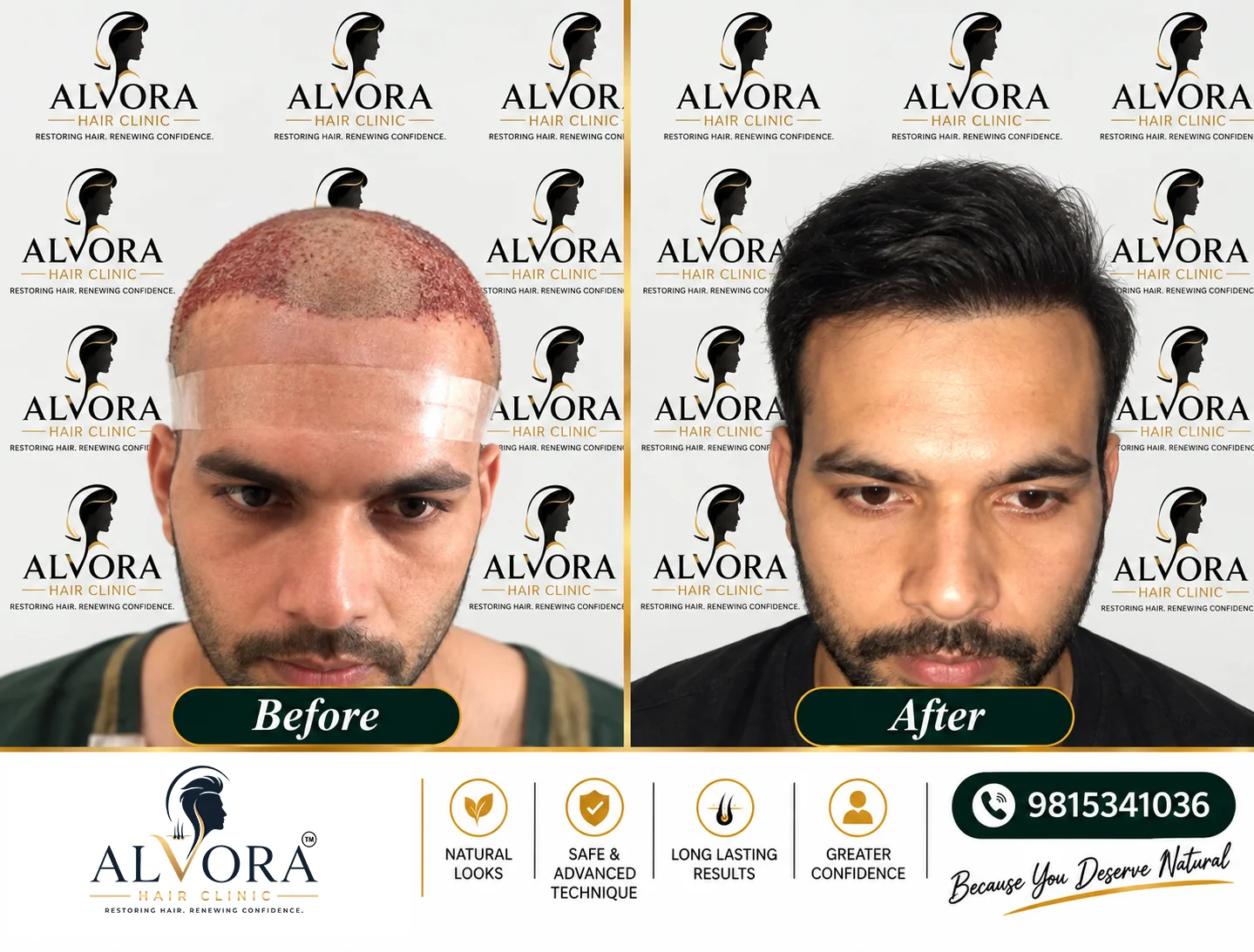
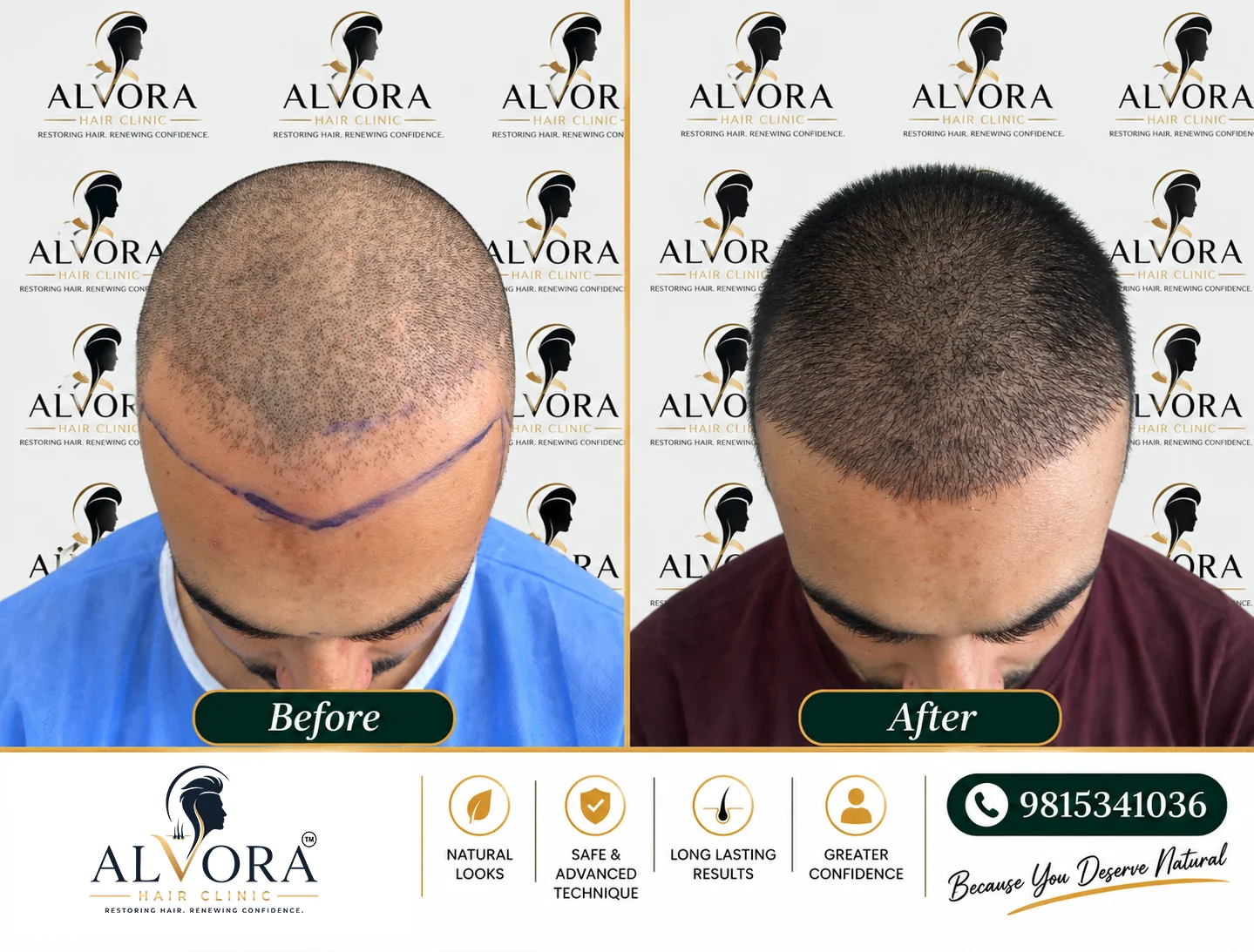
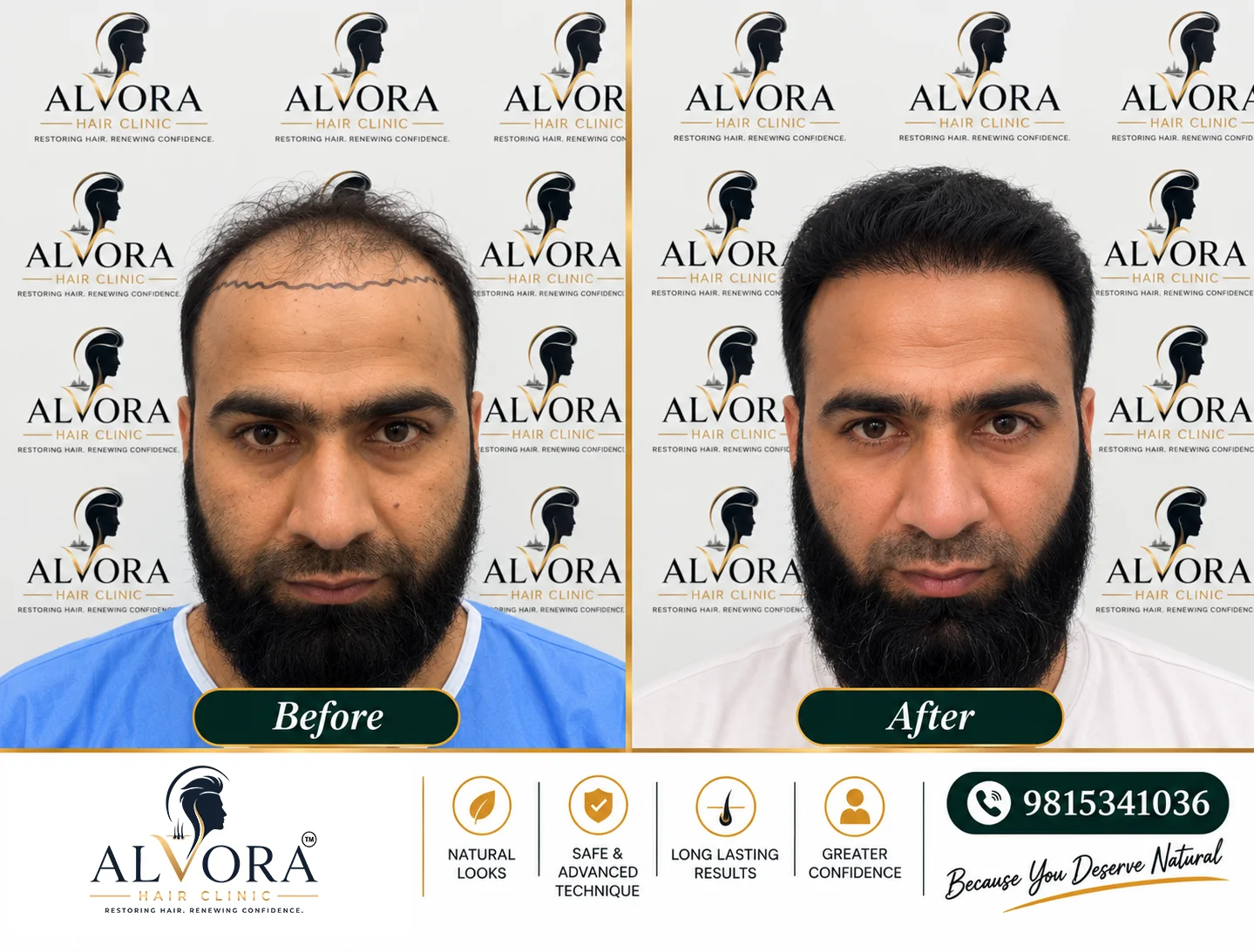
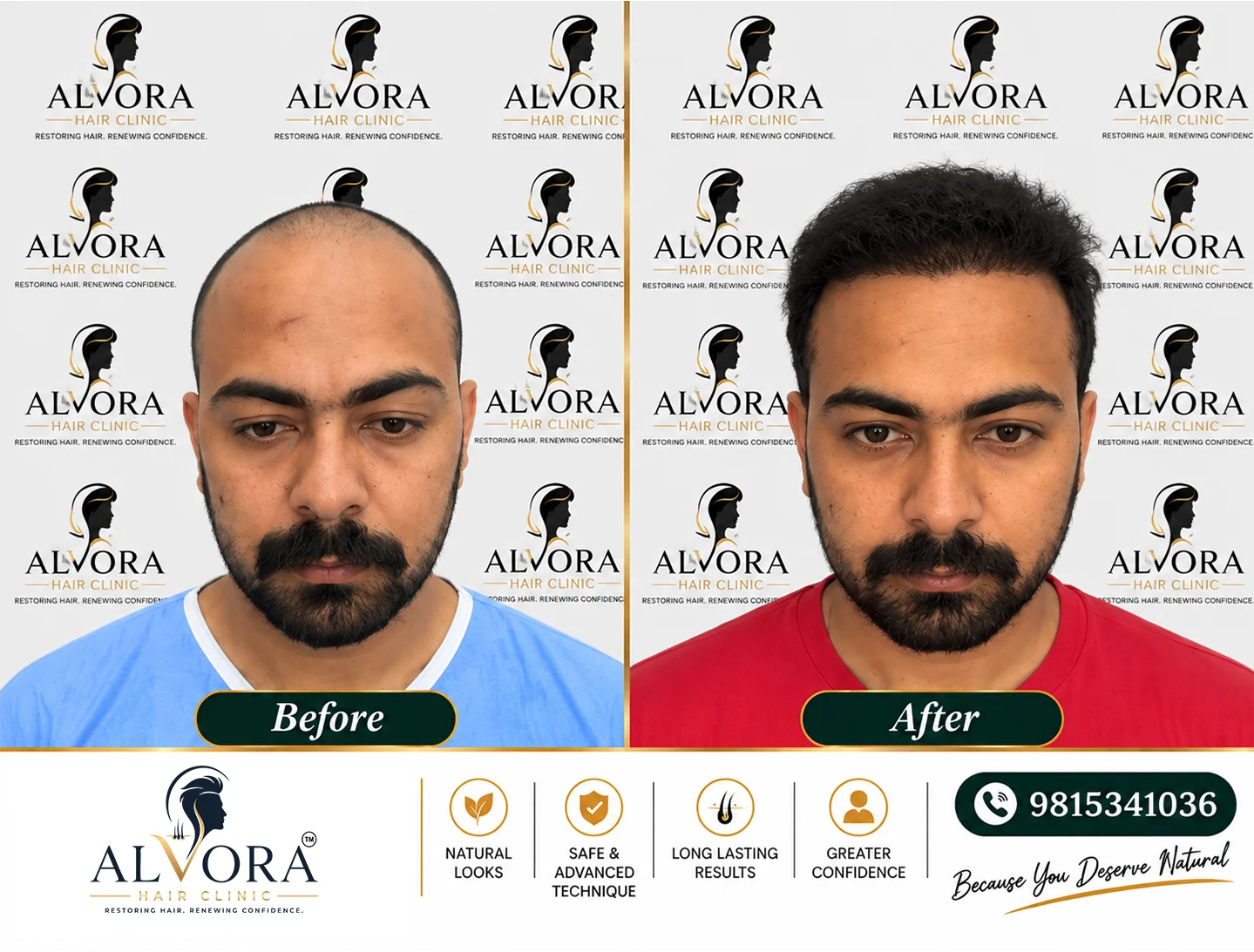
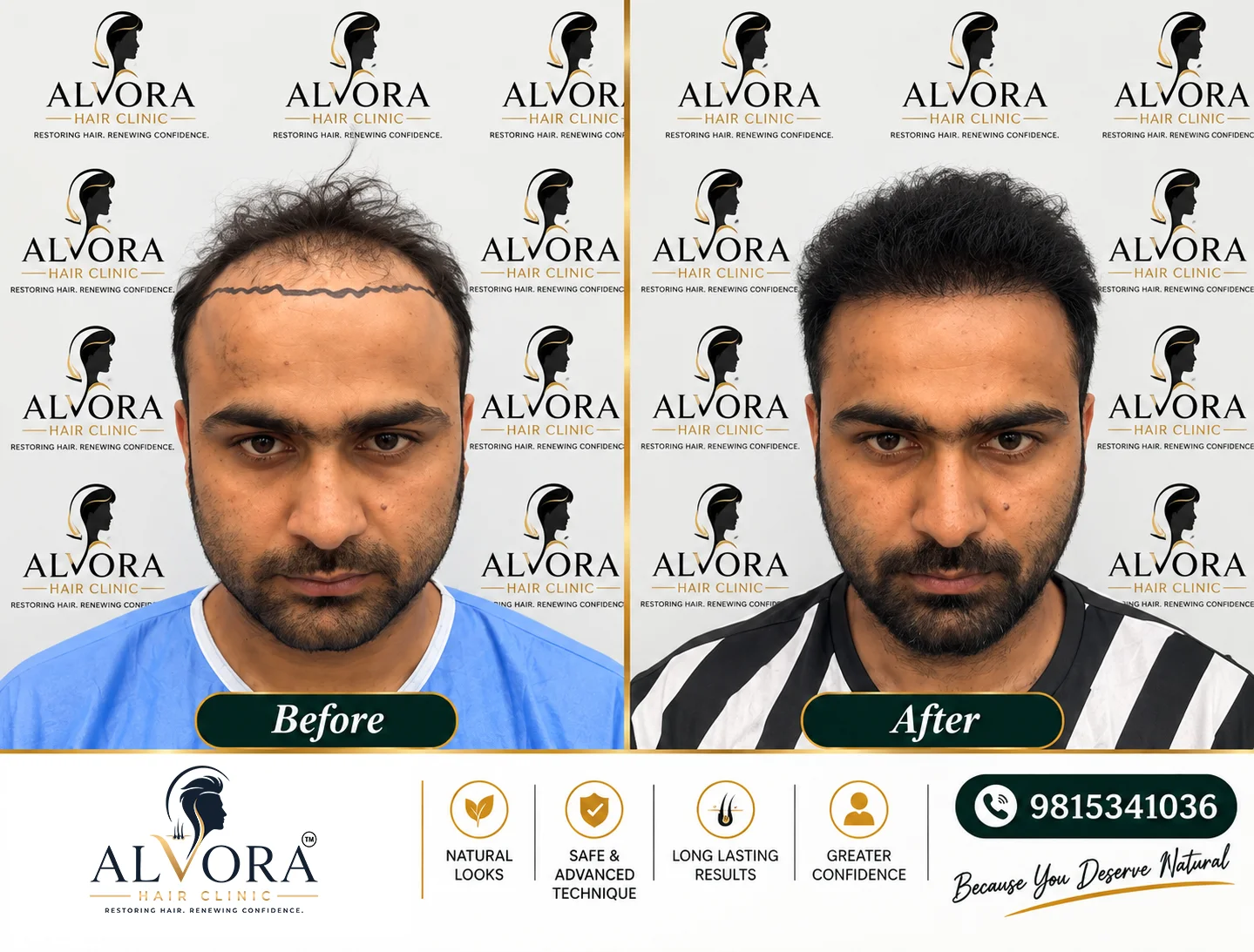
Results / Transformation Gallery
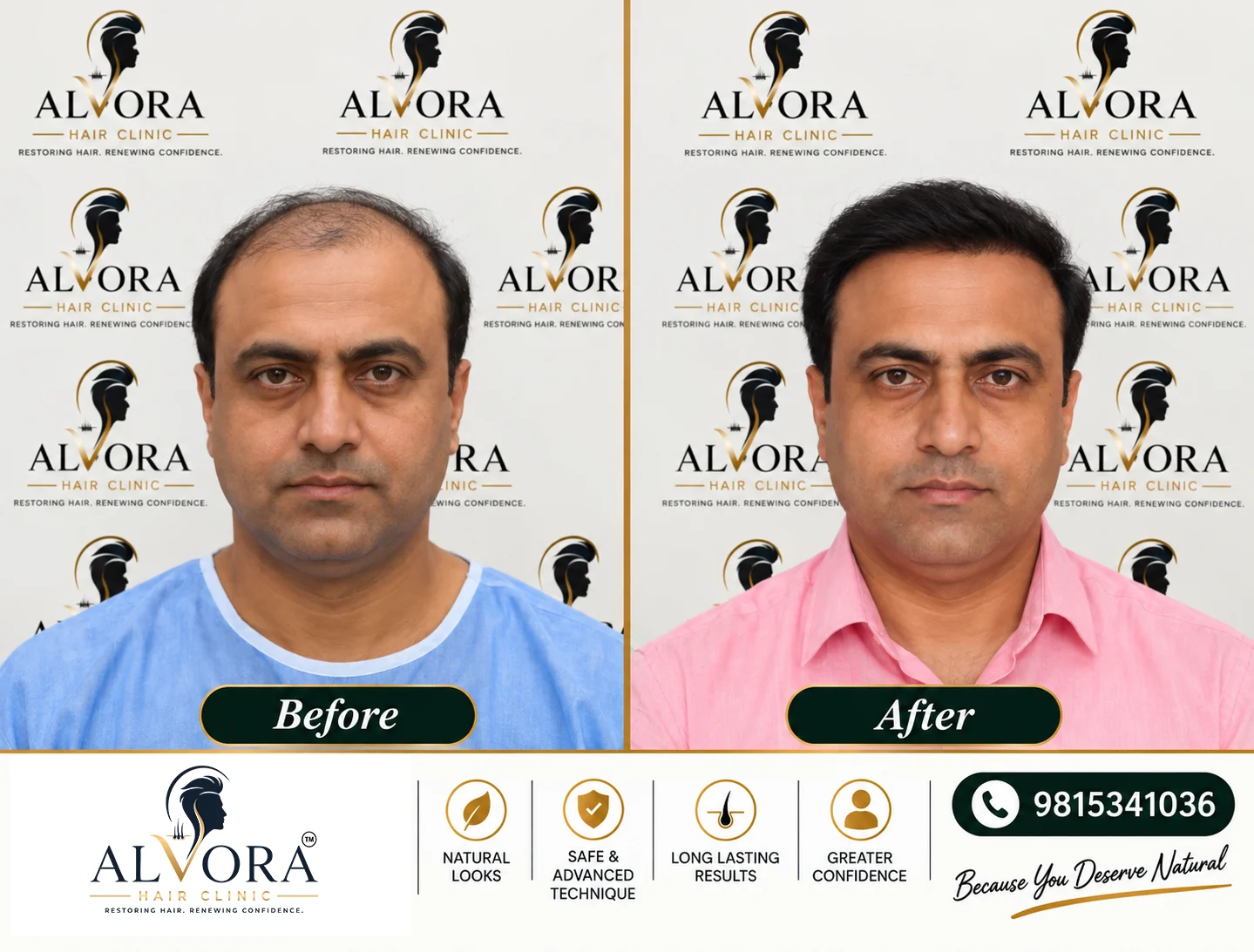
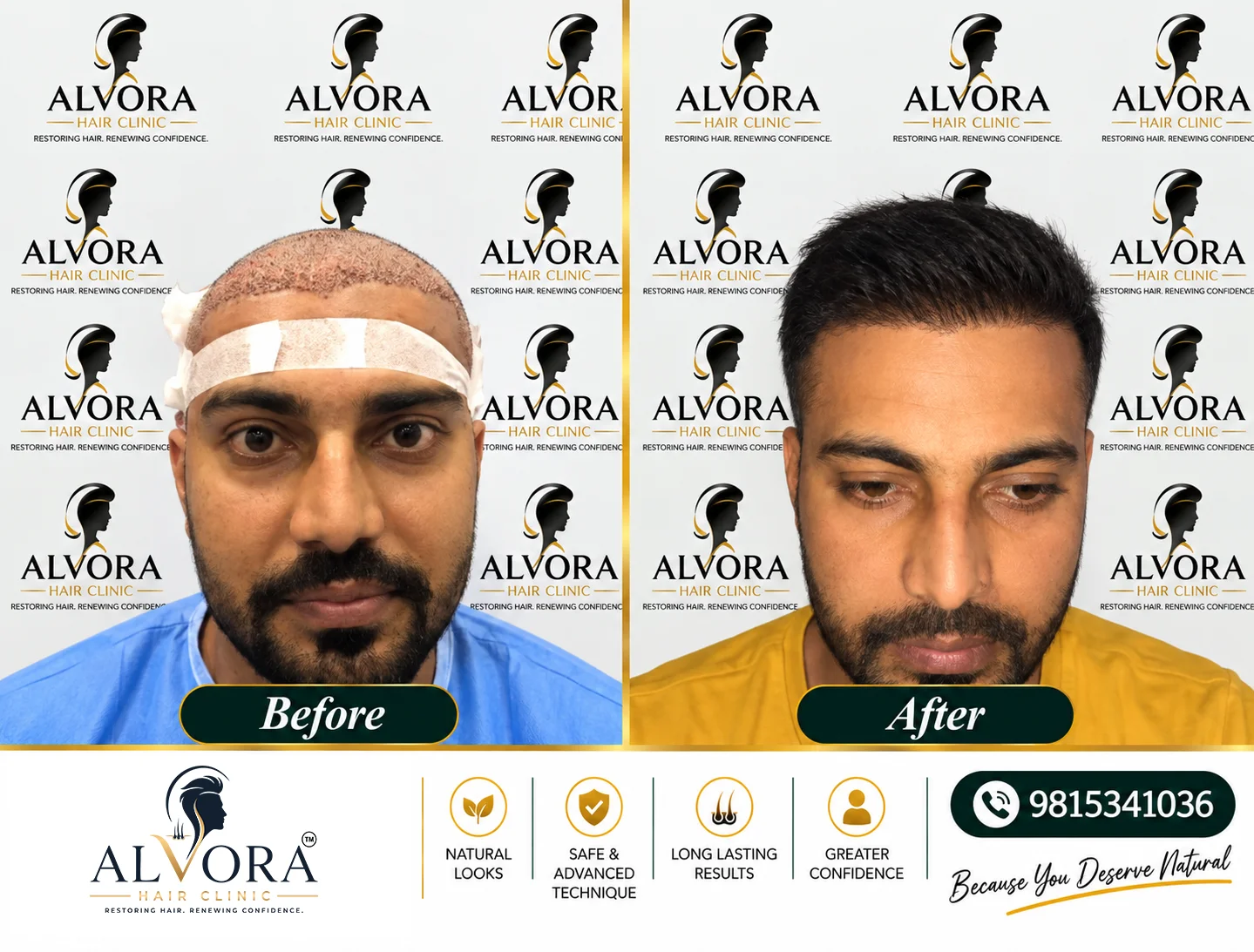
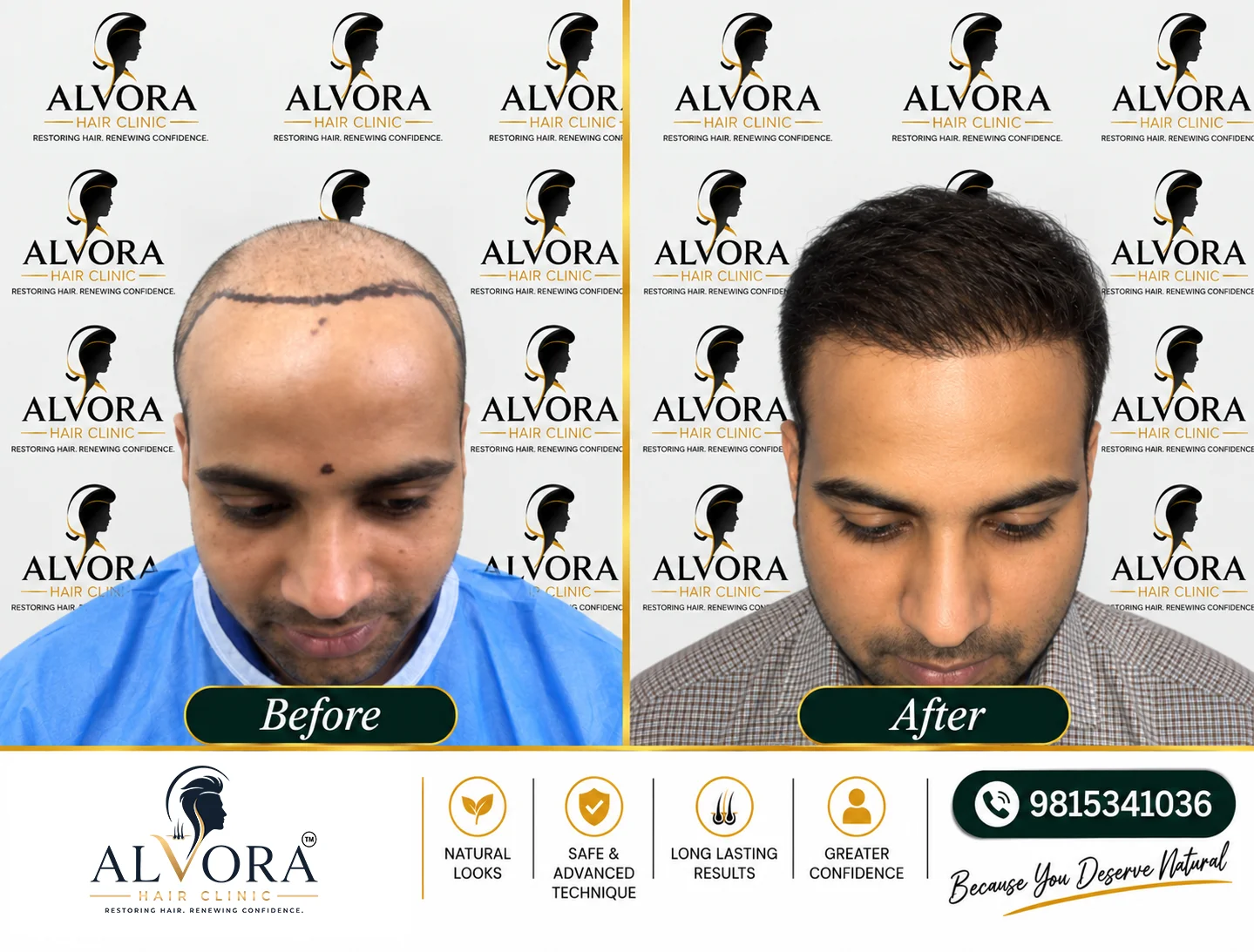
Verified QHT Transformation Cases
See the difference rapid graft transition makes. Explore our untouched before-and-after portfolios and patient video testimonials.
What makes QHT different from standard FUE?
The core difference lies in workflow synchronization and graft handling speed. In standard FUE, all grafts are extracted before implantation begins, leaving early grafts outside the body for hours. In QHT (Quick Hair Transplant), extraction, preservation in chilled nutrient baths, and implantation occur almost continuously. This minimizes out-of-body time and preserves maximum root energy.
Does QHT improve graft survival rates?
Yes, significantly. Follicle survival is directly linked to hydration, temperature, and time outside the body. By keeping out-of-body transition times exceptionally short and maintaining strict temperature control, QHT protects fragile cellular structures, yielding higher graft survival rates.
Is the QHT procedure painful?
No. The procedure is performed under local anesthesia administered with micro-needles to keep the scalp completely numb. You will feel comfortable throughout the session and can relax, watch movies, or listen to music while our team works.
How long does a QHT session take?
Because QHT uses synchronized team protocols, procedure times are noticeably shorter than standard FUE sessions of the same graft count. Most QHT procedures are completed comfortably in 4 to 6 hours, depending on total graft requirements.
What is the recovery time after a QHT transplant?
Physical recovery is very fast. Most patients return to light desk work within 3 to 5 days. Because tissue trauma is minimized during QHT, tiny pinpoint scabs dry and flake off naturally within 7 to 10 days.
Are QHT results permanent?
Yes, absolutely. Grafts are harvested from permanent, DHT-resistant donor zones at the back and sides of the head. Once transplanted, these roots retain their genetic resistance and continue to grow naturally for life.
Can QHT be used for facial hair or eyebrow transplants?
Yes. The principles of rapid transition and high graft vitality apply to all hair restoration types, including beard, moustache, and eyebrow transplants where follicle health is paramount.
When will I see full growth from a QHT transplant?
Transplanted hairs shed within the first 3 to 4 weeks—this is a normal, healthy part of the follicle resetting phase. New, permanent hair growth begins around month 3, visible cosmetic coverage shows by month 6, and full, dense results mature between 9 to 12 months.