Reclaim Your Youthful Edge with Precision Male Hair Transplants in Ludhiana
Seamlessly reverse male pattern baldness with customized hairline architecture designed for permanent, high-density results.
who we are
Restoring More Than Just Your Hair
A male hair transplant is a sophisticated micro-surgical procedure engineered to permanently reverse the effects of androgenetic alopecia (male pattern baldness).
The process involves extracting healthy, genetically permanent hair follicles from the back or sides of your scalp (the donor zone) and meticulously transplanting them into thinning or completely bald areas (the recipient zone).
At Alvora Hair Clinic, we don’t just fill in empty spaces. We treat the procedure as a form of scalp architecture, ensuring the new grafts integrate flawlessly with your existing hair to form a strong, natural, and masculine frame for your face.


Is This Right for You?
While hair restoration delivers life-changing results, identifying the right timing and scalp conditions is key to permanent success. You are an ideal candidate if you experience:
Defined Male Pattern Baldness
Visible receding at the temples, frontal thinning, or a declining crown area.
Stable Donor Hair Supply
Adequate, healthy hair density at the back or sides of the head to serve as donor roots.
Realistic Expectations
An understanding of what can be achieved based on your current hair loss stage.
Good Scalp Health
A scalp free from active skin conditions, ensuring optimal healing and graft survival.
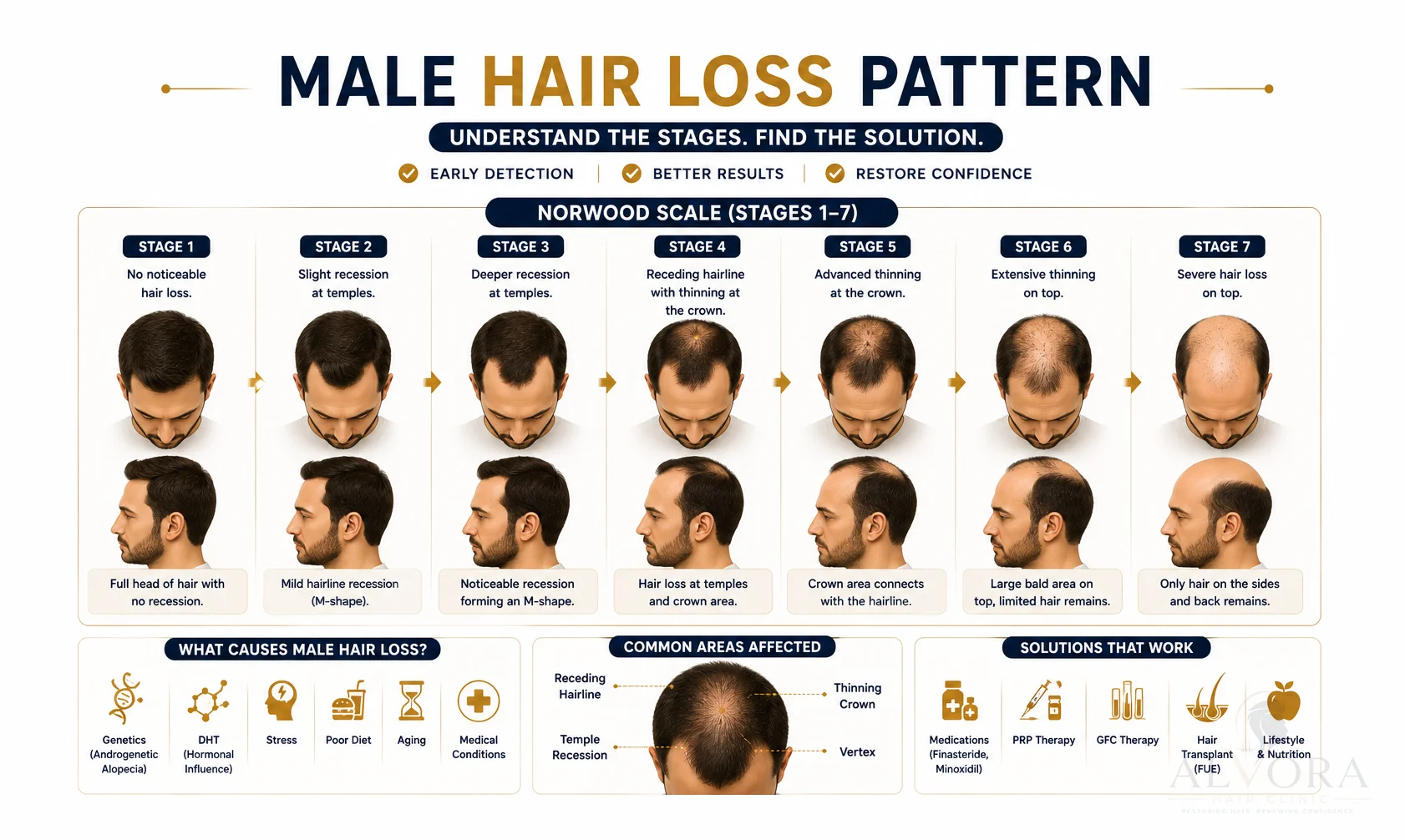
Understand the Stages. Find the Solution.
Mapping Your Male Hair Loss Pattern
Male pattern baldness is highly progressive, but identifying where you stand today changes everything. Using the clinically recognized Norwood Scale, our team pinpoints the exact stage of your recession to design a highly targeted restoration pathway. The earlier you take action, the better your chances of preventing further loss, optimizing graft usage, and achieving maximum permanent density.
Core Triggers & Restoration Solutions
What Causes Male Hair Loss?
- Biological & Lifestyle Factors: Androgenetic Alopecia (Genetics), DHT hormonal influences, prolonged stress, poor diet, aging, and underlying medical conditions.
Target Zones We Treat
- Receding Hairlines & Temple Recession
- Thinning Crowns & Vertex Baldness
Clinical Solutions That Work
- Non-Surgical Preservation: Medical therapies (Finasteride/Minoxidil), PRP Therapy, and GFC Therapy to protect existing roots.
- Permanent Restoration: Precision FUE Hair Transplants to permanently restore completely bald zones.
The Advantages of Choosing Alvora Precision
Undetectable, Natural Flow
We stagger your graft placements to mimic the authentic direction and angles of native hair.
Lifelong Permanence
Extracted from DHT-resistant donor zones, your newly transplanted hair is built to last a lifetime.
Immediate Psychological Boost
Reversing a receding hairline restores immediate personal and professional confidence.
Zero Maintenance Regimens
Your transplanted hair grows naturally, meaning you can wash, cut, and style it exactly like your original hair.
Types of Male Hair Transplant
Follicular Unit Extraction (FUE)
The global gold standard in modern surgical hair restoration, ideal for custom artistry and flexible styling choices.
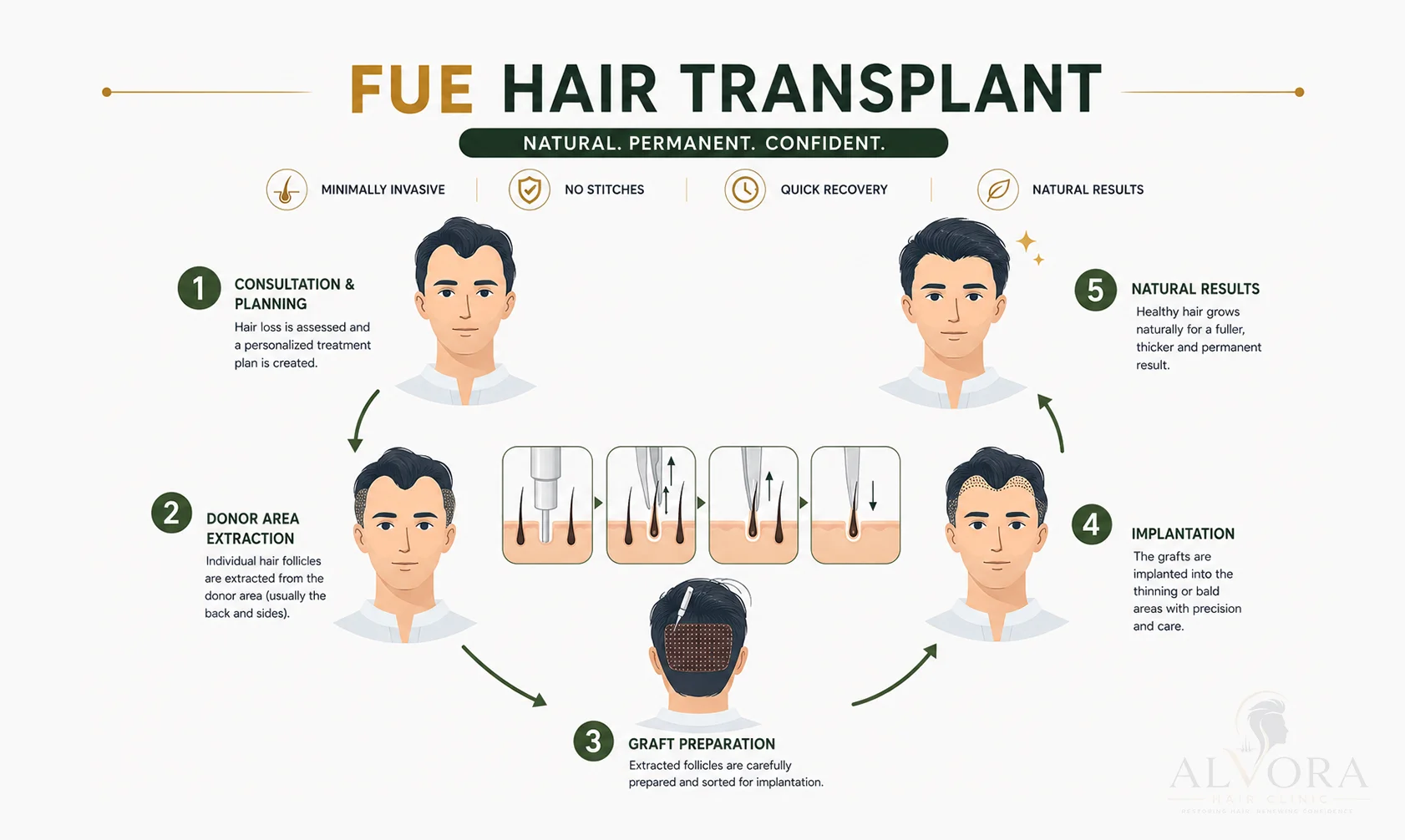
- Individual graft-by-graft extraction using advanced micro-punches.
- Completely eliminates traditional, linear donor scars.
- Allows for rapid scalp recovery with minimal tissue trauma.
- Perfect for keeping hair short or cropped post-procedure.
Quick Hair Transplant (QHT) Technique
An ultra-refined, swift-handling framework optimized to keep follicular grafts out of the body for the shortest time possible.
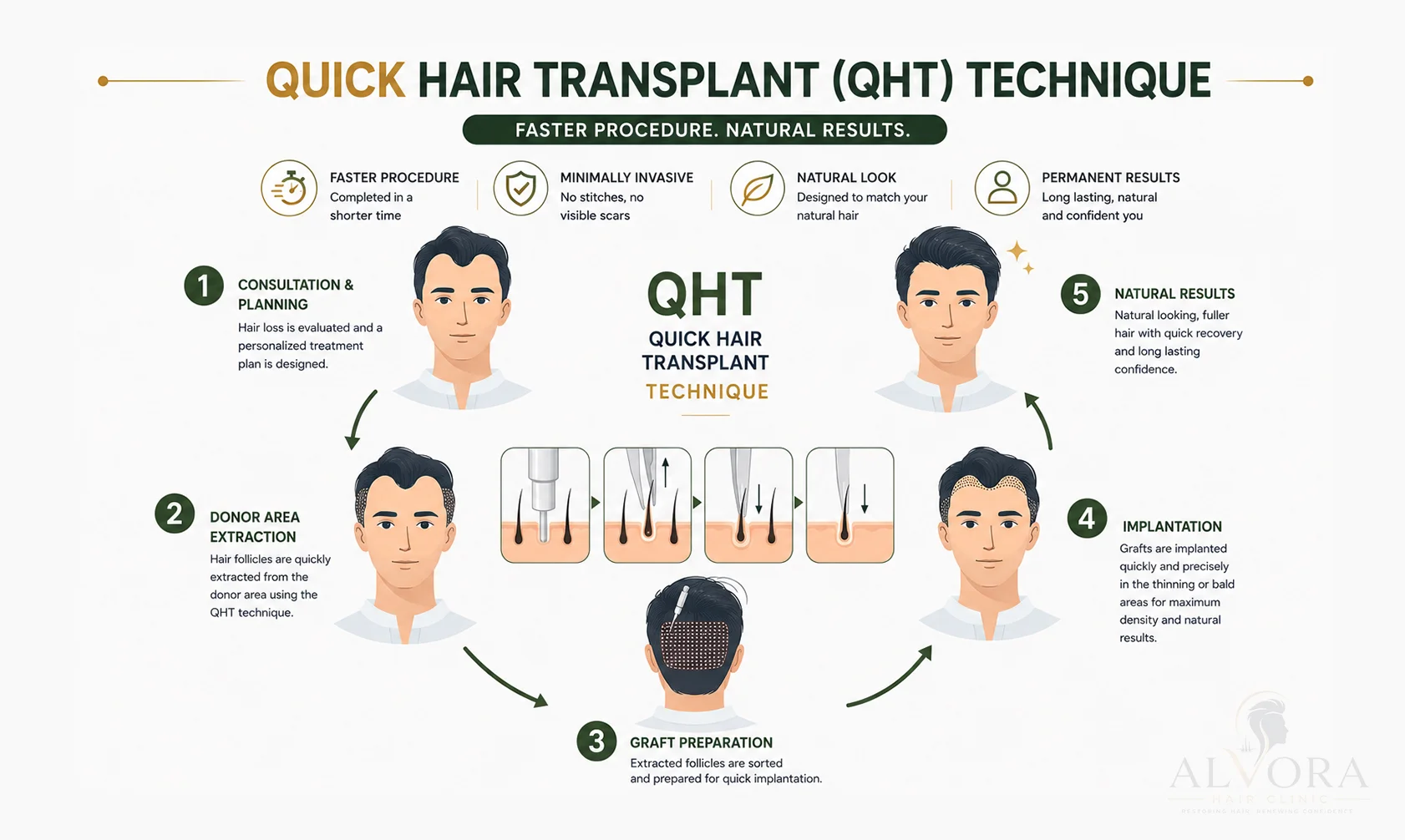
- Drastically reduces out-of-body transition time for extracted roots.
- Significantly boosts overall graft survival and health rates.
- Features streamlined mechanical handling to protect fragile roots.
- Promotes a tighter, faster post-operative healing window.
Step-by-Step Excellence
Our Procedural Journey
Step 01Custom Hairline Mapping
Our specialists sketch a detailed, face-complementing hairline blueprint based on your muscle movements and structural proportions.
Step 02Localized Comfort
We apply localized numbing agents to both the donor and recipient zones, ensuring a completely relaxed, pain-free day.
Step 03Micro-Precision Extraction
Healthy follicular units are gently harvested from the permanent donor zone using specialized extraction tools.
Step 04Graft Sorting & Preservation
Extracted roots are carefully classified under high-magnification optics and preserved in a chilled nutrient solution.
Step 05High-Density Implantation
Our surgeons meticulously plant the grafts into tiny, pre-calculated incisions, controlling for absolute density, angle, and depth.
Preparing for Your Procedure Day
Avoid Blood Thinners
Stop consuming aspirin, vitamin E supplements, and herbal teas 7 days prior to protect healing.
Pause Alcohol and Nicotine
Refrain from smoking and drinking alcohol for at least 48 to 72 hours before surgery to ensure optimal blood flow.
Scalp Cleanliness
Wash your hair thoroughly with a mild shampoo on the morning of the procedure; do not apply hair gels, sprays, or oils.
Comfortable Clothing
Wear a loose, button-up shirt on the day of your appointment so you do not have to pull clothing over your fresh grafts.
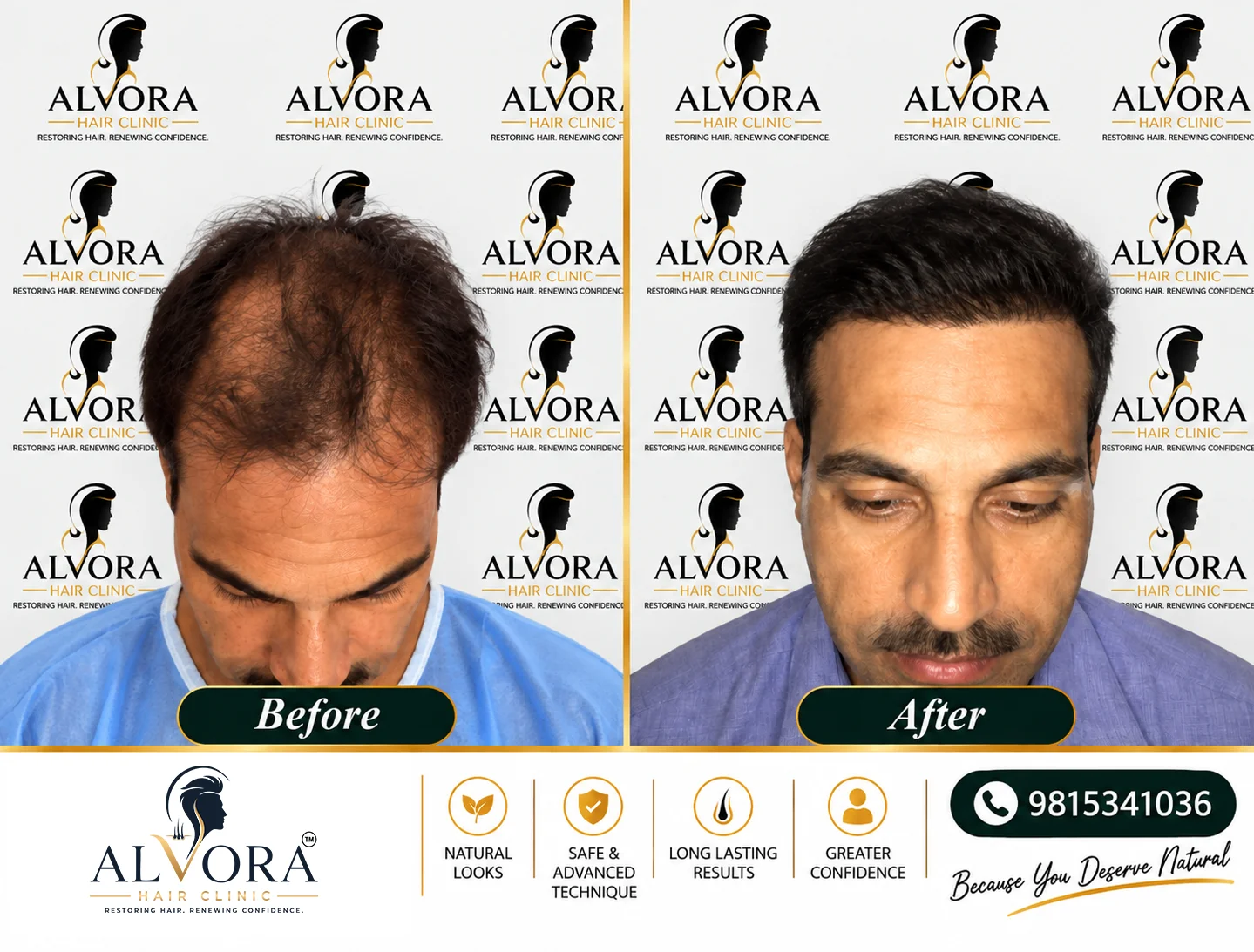
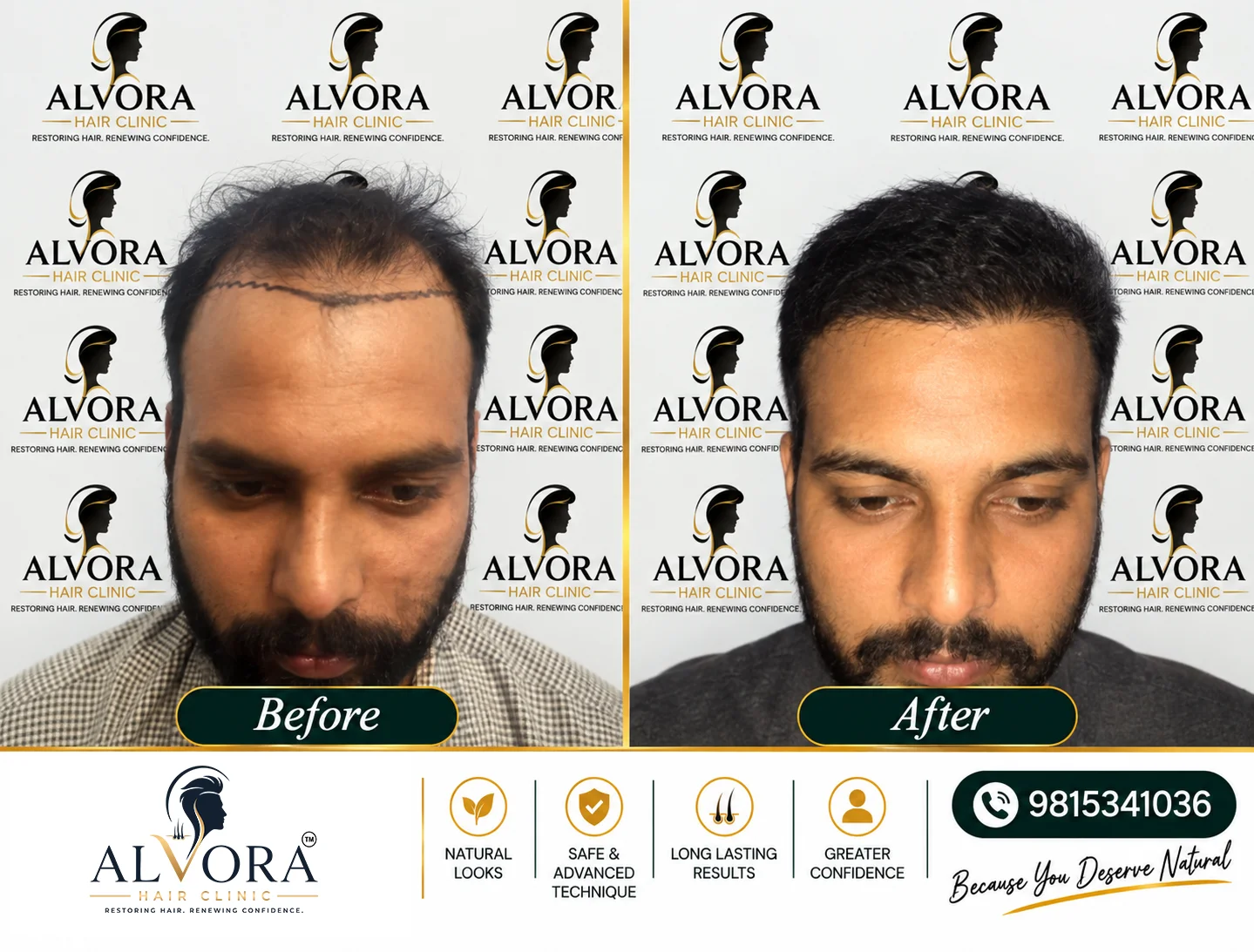
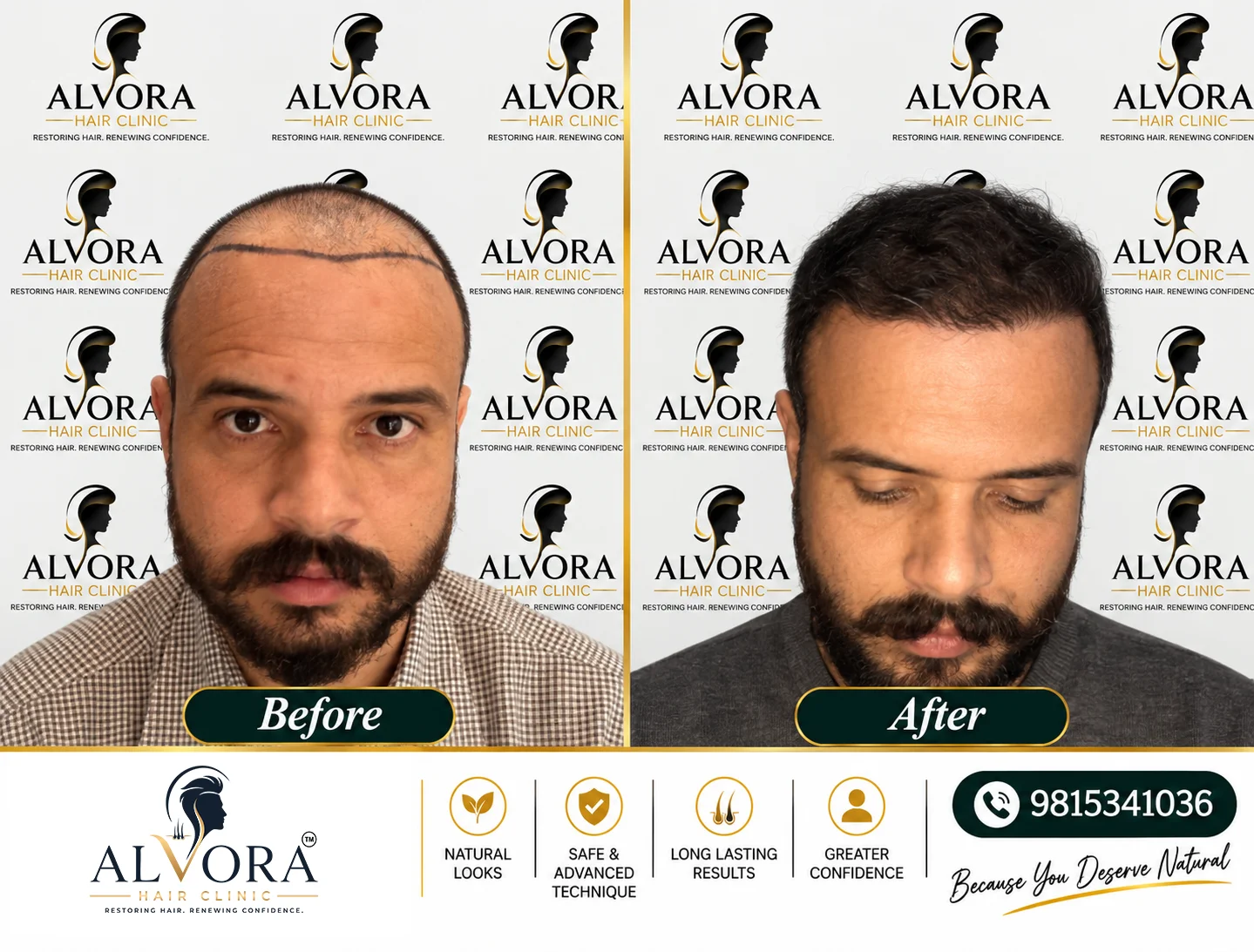
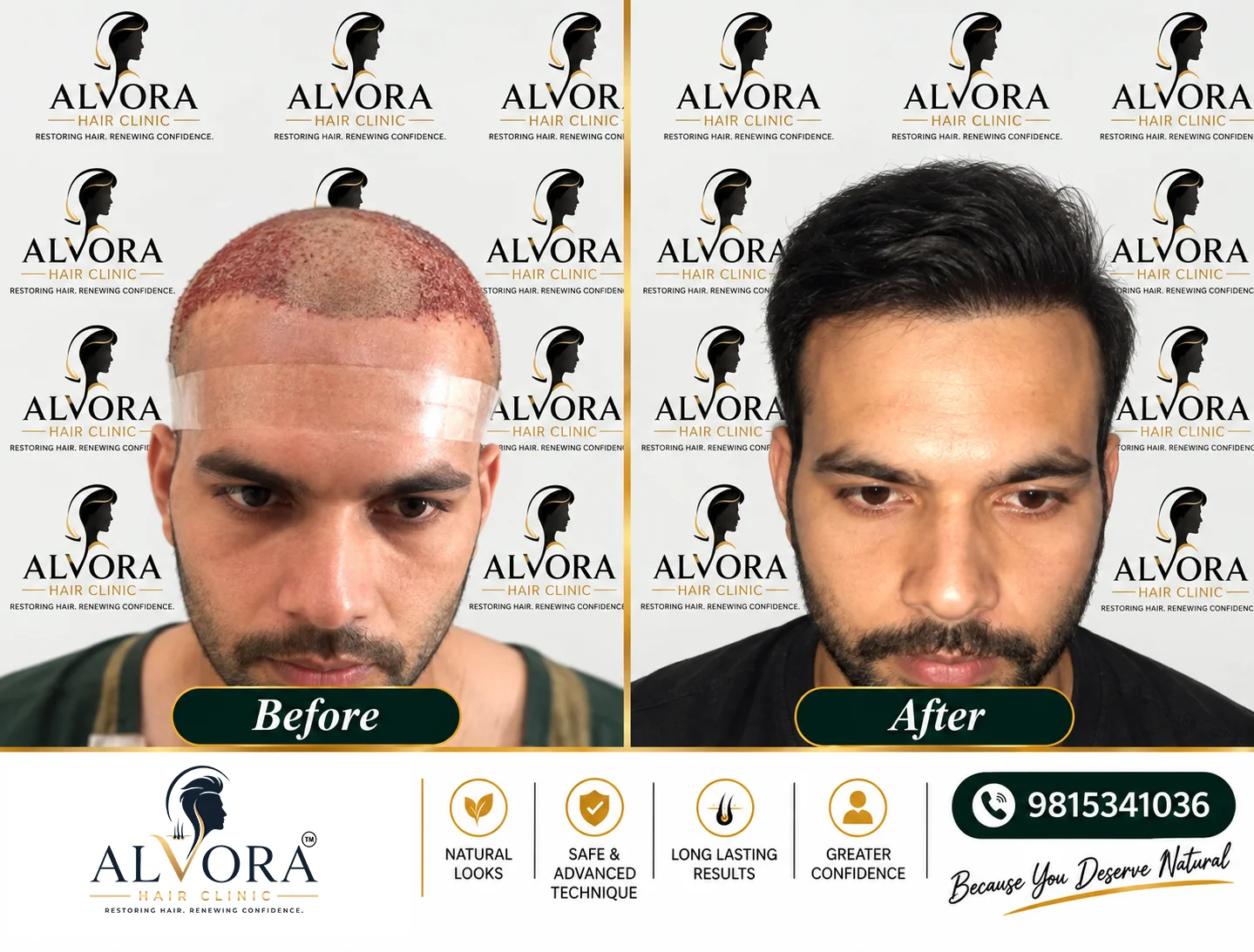
Results / Transformation Gallery
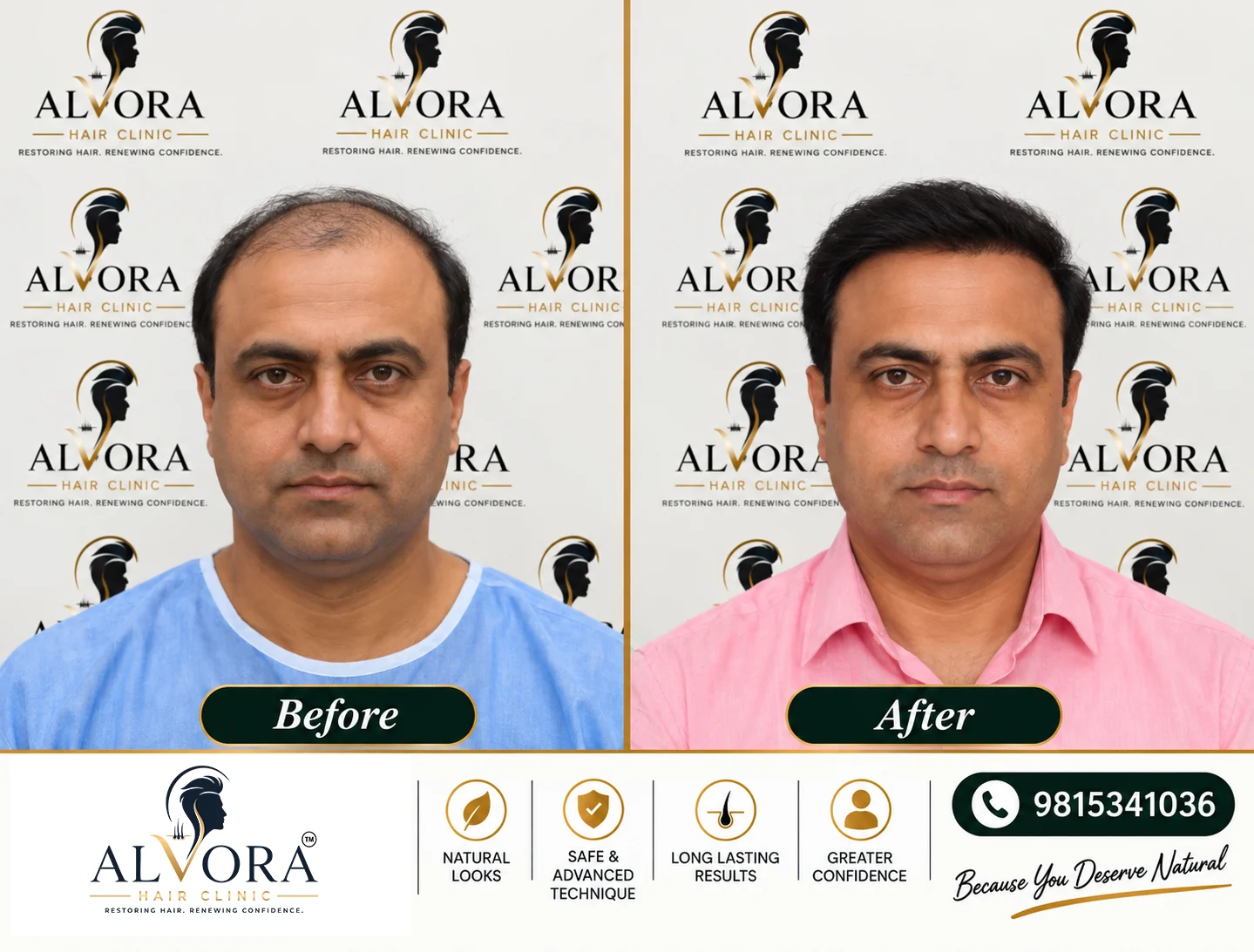
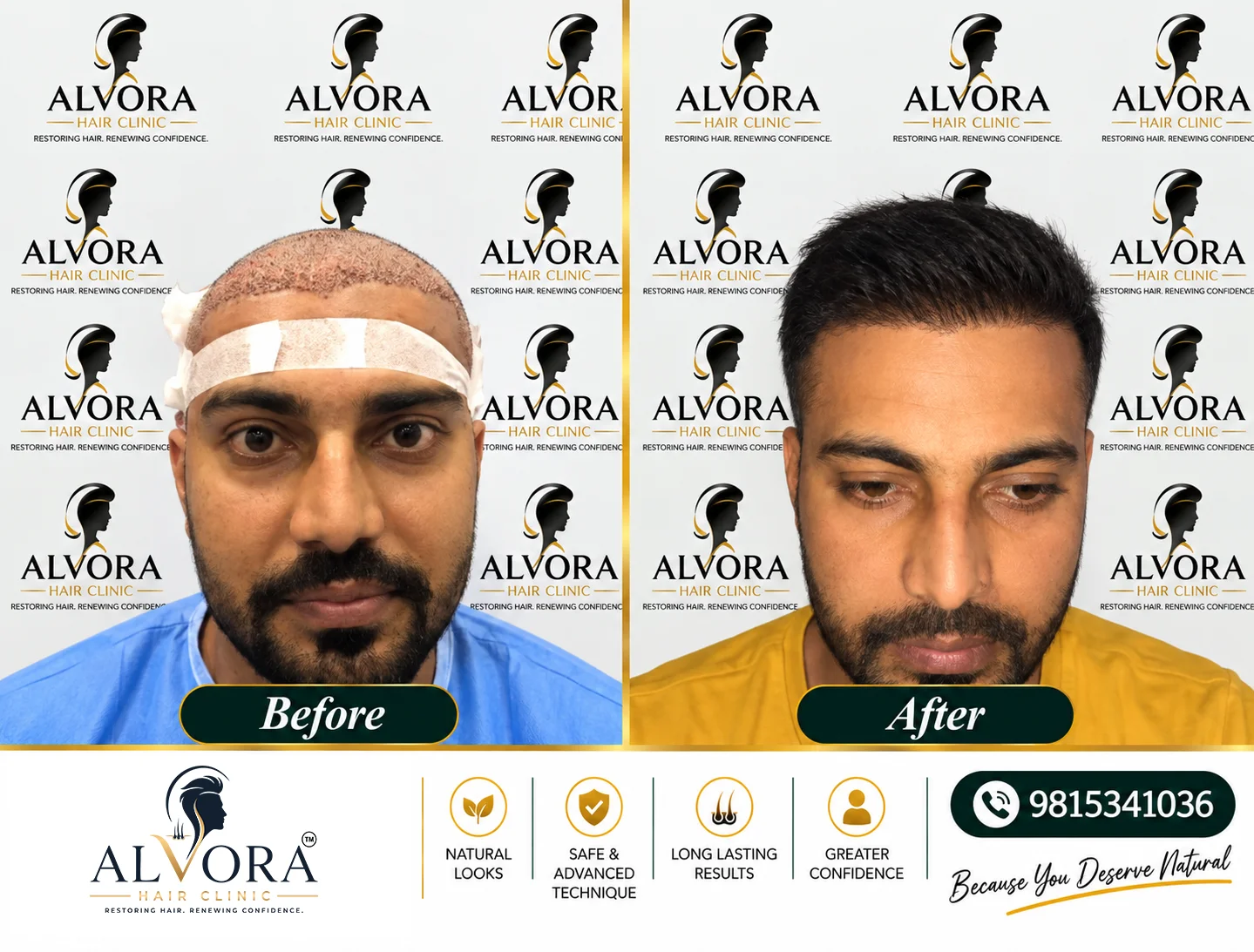
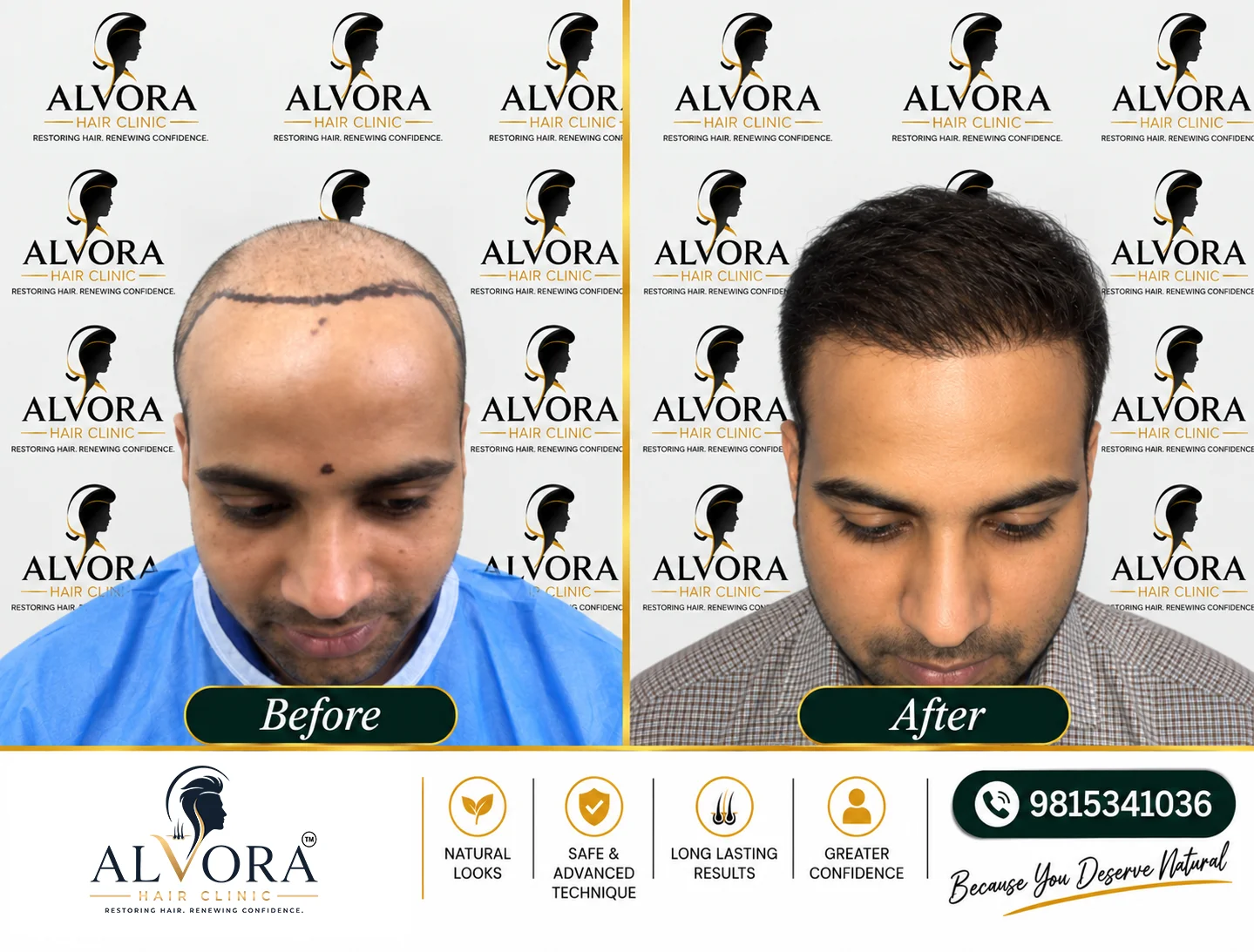
Verified Case Studies & Patient Visuals
True quality speaks for itself. Explore our untouched before-and-after photo portfolios and direct patient video documentations.
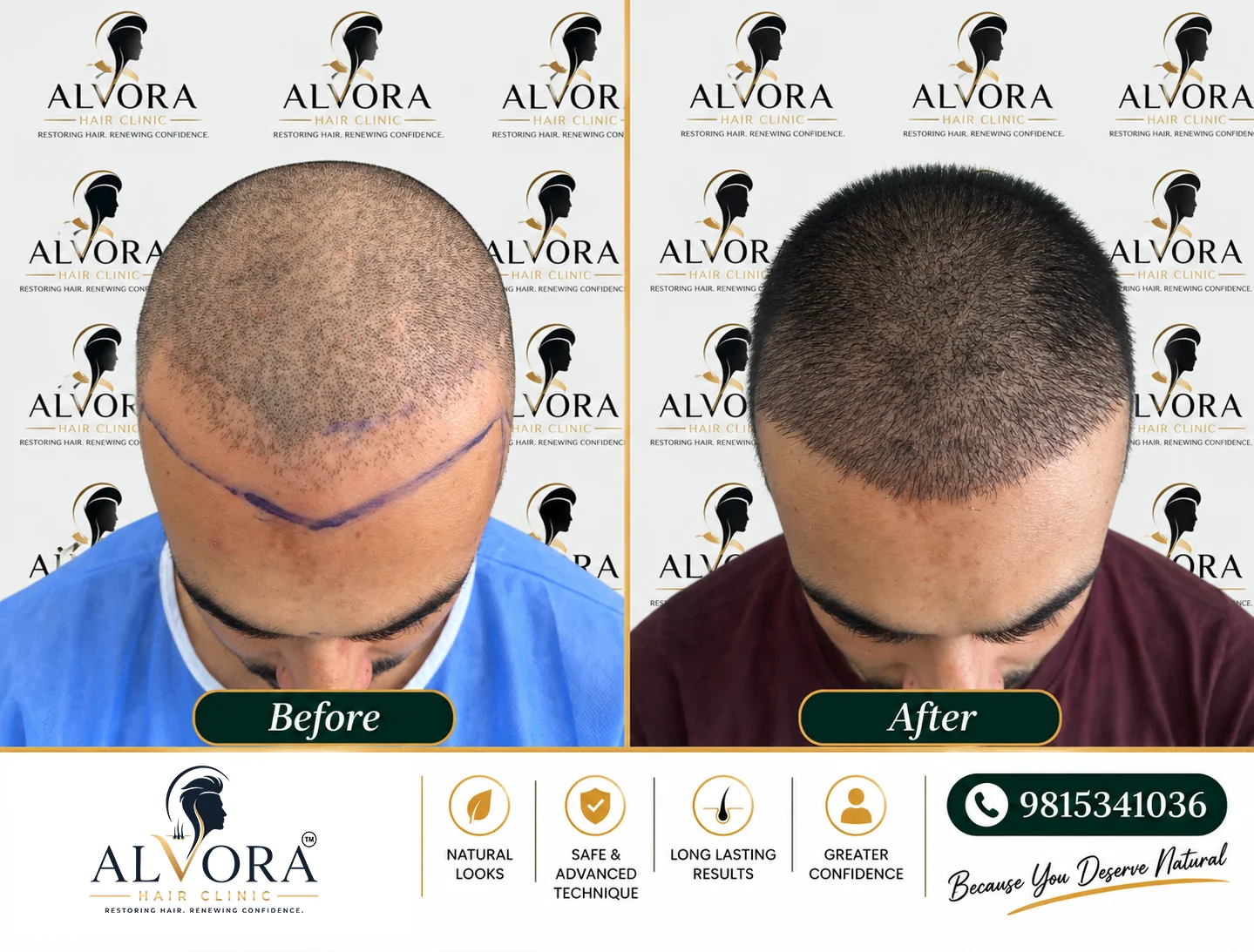
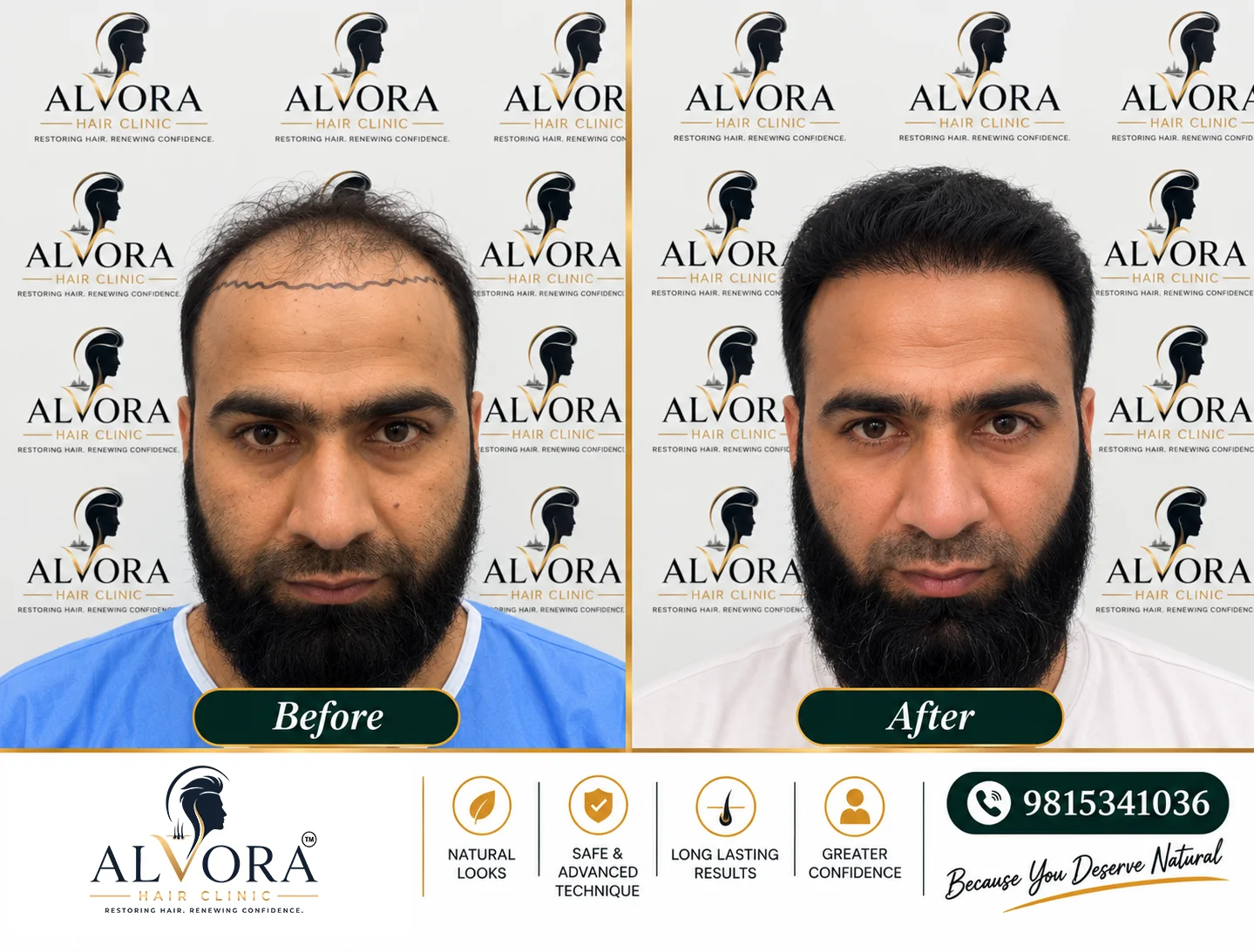
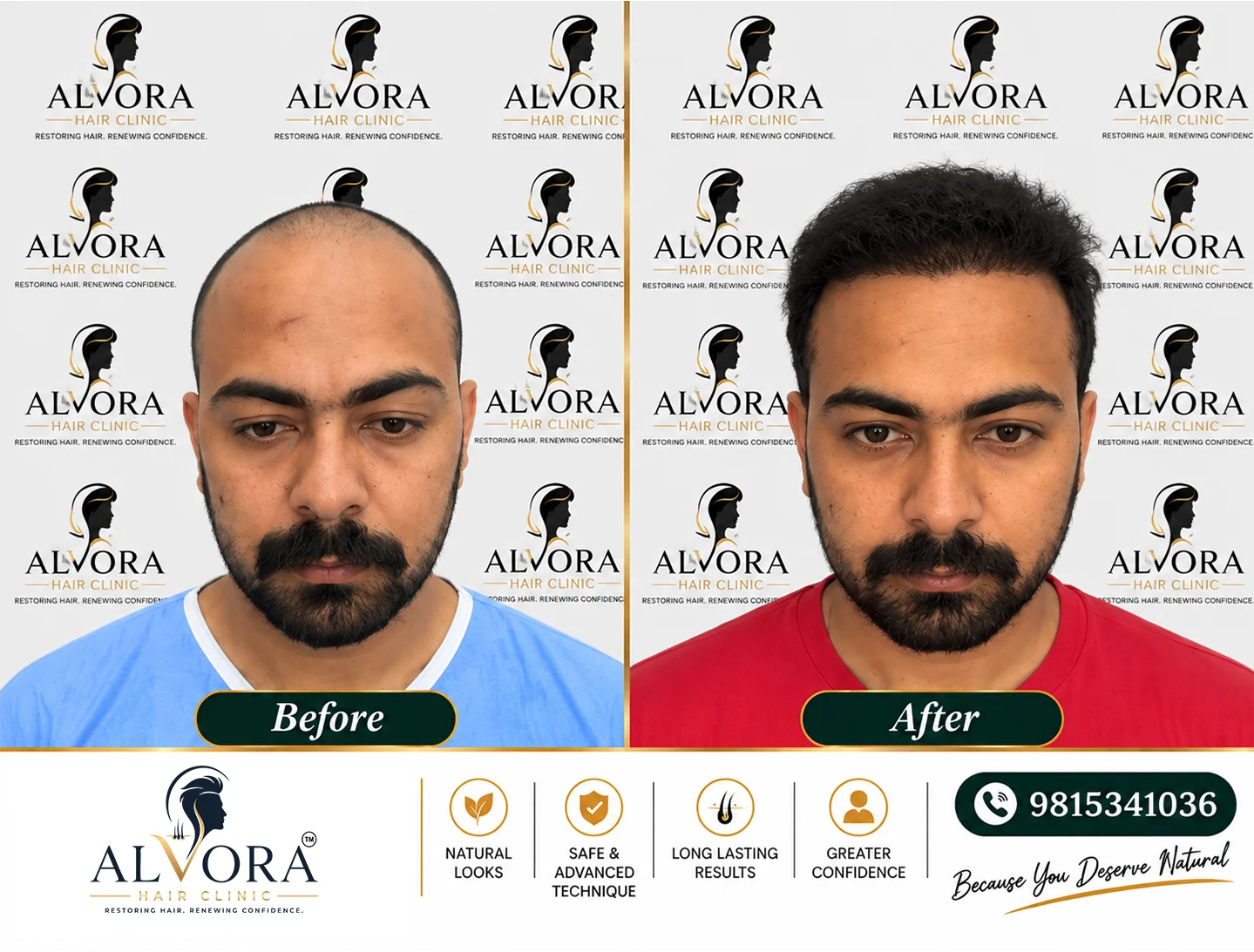
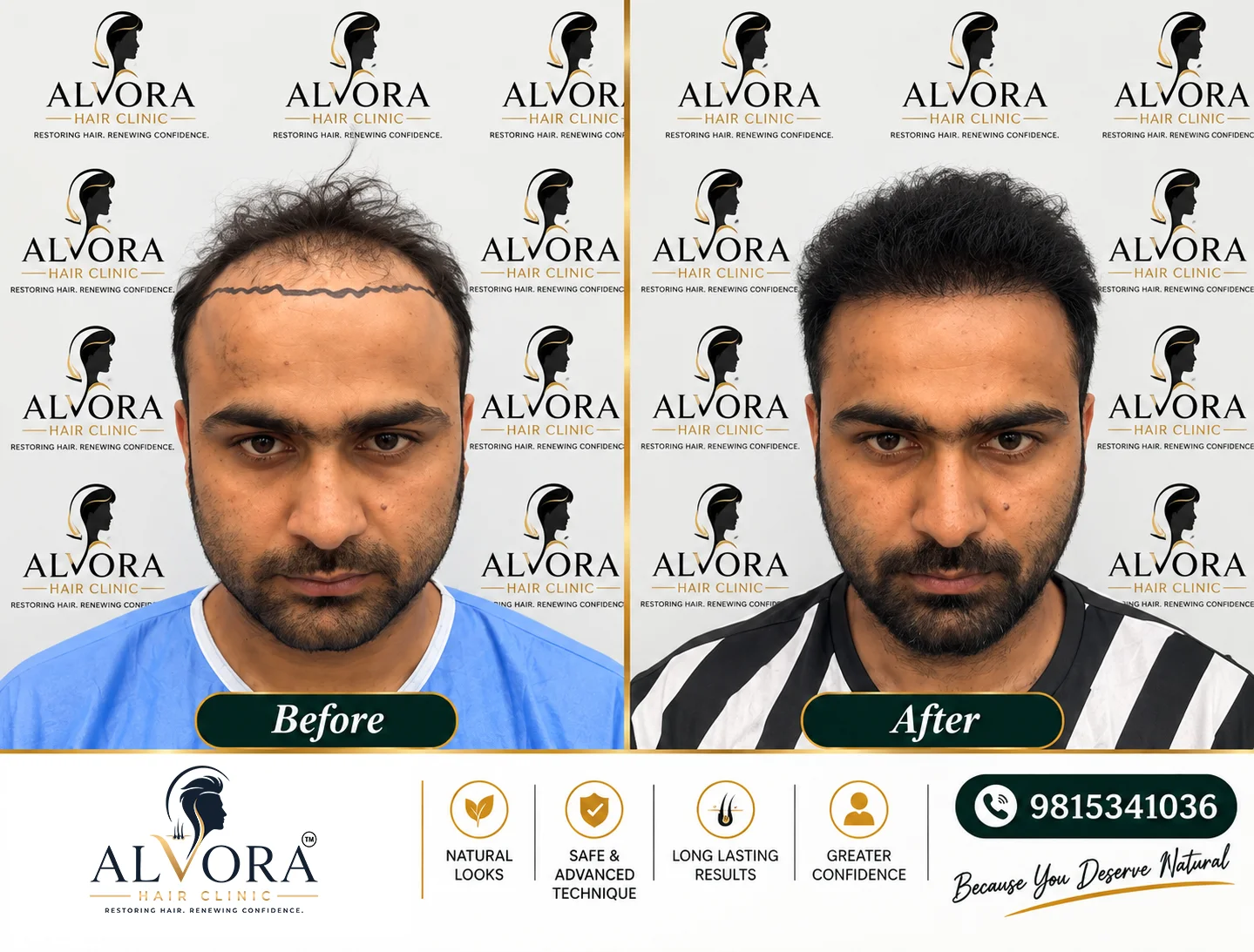
How many grafts will I need to achieve full density?
The number of grafts depends entirely on your current hair loss stage on the Norwood Scale. A minor receding hairline (Stage 2 or 3) typically requires 1,500 to 2,500 grafts. Advanced crown thinning or severe frontal baldness (Stage 4 to 6) can require 3,500 to 4,500+ grafts. A precise, digital scalp analysis during your initial consultation will determine the exact follicle count needed for your density goals.
Are the results of a male hair transplant permanent?
Yes, the results are designed to last a lifetime. Hair transplants succeed because of “donor dominance.” We harvest follicles from the back and sides of the scalp—areas genetically resistant to Dihydrotestosterone (DHT), the hormone responsible for male pattern baldness. Once relocated, these roots retain their genetic resistance and continue to grow naturally for life.
When will I start seeing the final results of my transplant?
Hair restoration is a journey that requires patience. Within the first 3 to 4 weeks, the newly transplanted hair shafts will drop out—a completely normal phase known as “shock shedding.” The roots remain safe beneath the skin. Fresh, permanent growth begins emerging around month 3, visible cosmetic coverage shows by month 6, and the full, high-density results mature beautifully between 9 to 12 months.
What is the main difference between standard FUE and the QHT protocol?
Standard FUE relies on individual, graft-by-graft extraction and manual placement, which is excellent for meticulous hairline design. The Quick Hair Transplant (QHT) technique upgrades this by utilizing a highly optimized, swift-handling workflow. QHT drastically minimizes the time follicles spend outside the body, keeping them hydrated and chilled, which significantly optimizes graft survival rates and speeds up post-operative healing.
Is the procedure painful during or after the surgery?
The entire procedure is virtually pain-free. We administer local anesthesia to both the donor and recipient zones using advanced, micro-needle delivery systems. You might feel a mild pinching sensation during the initial numbing process, but the rest of the day is completely comfortable. Most patients spend the time watching movies, listening to music, or resting. Post-procedural soreness is mild and easily managed with standard prescribed analgesics for 2 to 3 days.
How long is the recovery downtime, and when can I return to work?
Yes, absolutely. For men who require complete discretion due to professional commitments, we specialize in Unshaven Hair Transplants. Our elite surgical team uses specialized micro-instruments to navigate between your existing longer hairs, harvesting and implanting grafts seamlessly without touching the surrounding hair length. This allows you to walk out of the clinic with your regular hairstyle intact, hiding the procedural areas completely.
Can I get a hair transplant without shaving my head?
Yes. By meticulously matching the natural exit angle, direction, and grouping of your hair follicles, our elite surgeons ensure the result blends seamlessly with your remaining native hair.
Will my transplanted hair look completely natural, or will it look pluggy?
Modern hair transplants look entirely undetectable when performed by true experts. The old, artificial “doll-hair” look happened because clinics used large circular plugs and planted them in straight rows. At Alvora Hair Clinic, we use microscopic single-hair grafts at the absolute front edge of your hairline, spacing them out in a randomized, staggered pattern. We precisely mimic the exact exit angles and natural direction of your native hair, making it impossible to tell where nature ended and our artistry began.
Will I need non-surgical therapies like PRP or GFC after my transplant?
While not mandatory, combining your surgical transplant with advanced non-surgical therapies is highly recommended for optimal outcomes. Treatments like Growth Factor Concentrate (GFC) or PRP supply a dense rush of pure growth factors directly to the newly moved roots. This jumpstarts cellular rejuvenation, shortens the recovery phase, protects your remaining native hair from further thinning, and encourages the transplanted grafts to wake up and grow faster.
What steps should I avoid immediately after the procedure?
To guarantee maximum graft survival, you must protect your scalp during the critical first week. Avoid rubbing, scratching, or touching the recipient zone completely. Sleep with your head elevated at a 45-degree angle on a travel pillow for the first 3 nights to prevent accidental friction. Absolutely no smoking, alcohol, direct heavy sunlight, swimming pools, or wearing tight helmets or caps for at least 10 to 14 days post-procedure.